


In this article, I will discuss the Best AI Blockchain Games With Crypto Rewards and explore their gameplay, AI features, blockchain networks, NFT utilities, native tokens, and reward mechanisms. I will also compare their costs, accessibility, current status and suitability for different types of players, so that you will be able to understand which AI blockchain games are offering the most interesting gaming and crypto experiences in the fast-developing Web3 gaming market of today.
What Makes a Game AI Blockchain Game?
An AI blockchain game is an experience that blends artificial intelligence, blockchain technology, and game-based digital economies. AI would be used for intelligent NPCs, adaptive gameplay, personalized experiences, automated characters, procedural content, or strategic systems.
Blockchain would be used for verifiable ownership of NFTs, digital resources, and in-game transactions. A crypto reward system can feature tokens, NFTs or other blockchain-based incentives for gameplay and participation. However, not all Web3 games are truly powered by AI, so the real difference is if AI plays a meaningful role beyond just leveraging blockchain assets or crypto rewards.
Key Points
| Game | Key Point |
|---|---|
| GUNZ | AAA-focused blockchain gaming ecosystem with player-owned NFTs, GUN token utility, and free-to-play access through its flagship shooter experience. |
| My Neighbor Alice | Casual multiplayer builder focused on virtual land, customization, social interaction, NFTs, and the ALICE token economy. |
| World of Dypians | Open-world Web3 metaverse combining exploration, quests, social experiences, digital assets, and the DYP ecosystem. |
| Splinterlands | Strategic blockchain card game where collectible NFT cards can be used, traded, rented, and connected to SPS and DEC rewards. |
| Gods Unchained | Competitive trading-card game offering free-to-play accessibility, NFT card ownership, strategic battles, and GODS token utility. |
| Decentraland | User-created virtual world where players can explore experiences, own LAND and wearables, create content, and use MANA. |
| The Sandbox | Creator-focused metaverse allowing users to build experiences, create digital assets, own LAND, and participate in the SAND economy. |
| Star Atlas | Sci-fi blockchain gaming ecosystem centered on space exploration, combat, strategy, NFT assets, and the ATLAS/POLIS economy. |
| Pixels | Social farming and adventure game featuring quests, exploration, crafting, community activities, NFTs, and PIXEL token utility. |
| Axie Infinity | Creature-collection and battle game built around NFT Axies, strategic gameplay, digital ownership, and AXS/SLP ecosystem utilities. |
1. GUNZ
GUNZ is a blockchain gaming ecosystem created by Gunzilla Games in 2023 based on AAA gaming and powered by the GUN token. The flagship genre is the extraction/battle-royale shooter Off The Grid with TECHNOCORE adding a mobile experience.
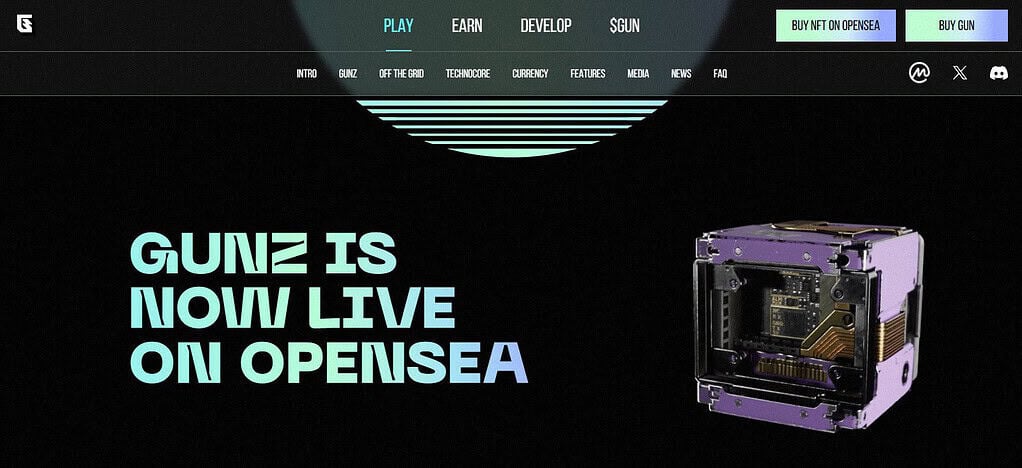
GUNZ doesn’t make a huge song & dance about AI being the core gameplay technology. The big innovation is ownership on the blockchain.
Weapons, cosmetics and other loot items can be tradable NFTs. Off The Grid is free to play, with optional blockchain features. Players can earn GUN through challenges. GUN is also used for fees and for transactions in the marketplace and ecosystem.
AI Features of GUNZ.
- AI-assisted NPC and character encounters
Dynamic Gameplay and Combat Systems - AI-assisted game development and content optimization
- Smart matchmaking and player experience features
- Possible autonomous AI-generated game characters
| Pros | Cons |
|---|---|
| AAA-quality gaming ecosystem | Blockchain features can be complex for beginners |
| Player-owned digital assets | Crypto and NFT values can fluctuate |
| Free-to-play accessibility | Requires a compatible wallet for some Web3 features |
| Strong shooter-focused gameplay | Web3 features may not appeal to traditional gamers |
| GUN token provides ecosystem utility | Game ecosystem is still developing |
2. My Neighbor Alice
My Neighbor Alice is a multiplayer builder and social simulation game about farming, exploration, crafting, decorating and community activities that began around 2021. AI is not a core gameplay feature advertised. The game is about player creativity and ownership on the blockchain. NFTs can be land, vegetation, furniture, buildings, animals and other collectible assets.
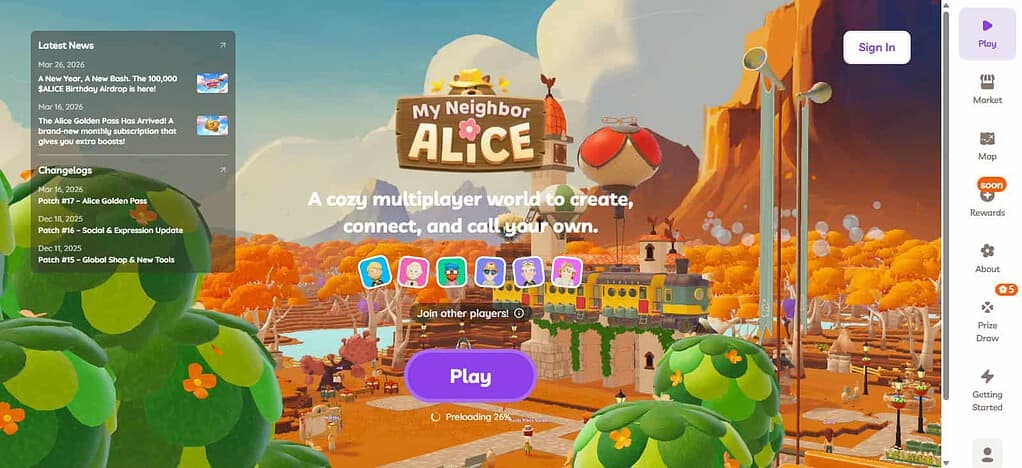
Players can play without purchasing ALICE, while the game utilizes ALICE token for marketplace activity, land and NFT related functions and BJORN for daily in-game activities. The game is targeted at casual players, creators and Web3 users.
AI Features of My Neighbor Alice
- NPC interactions with AI assistance
- Customized player experiences
- Live in-game events and activities
*AI-assisted world and content creation - Smart social and community interactions
| Pros | Cons |
|---|---|
| Relaxed and beginner-friendly gameplay | Less focused on competitive gaming |
| Strong NFT ownership system | NFT prices can be volatile |
| Creative building and customization | Some premium assets can be expensive |
| Social multiplayer experience | Blockchain onboarding may confuse beginners |
| ALICE token has in-game utility | Economy depends on market activity |
3. World of Dypians
World of Dypians is a blockchain-based open-world metaverse game developed around the 2020s, combining exploration, social interaction, quests, digital resources, and virtual experiences. Its genre can be characterized as an open-world metaverse/MMORPG-style experience.
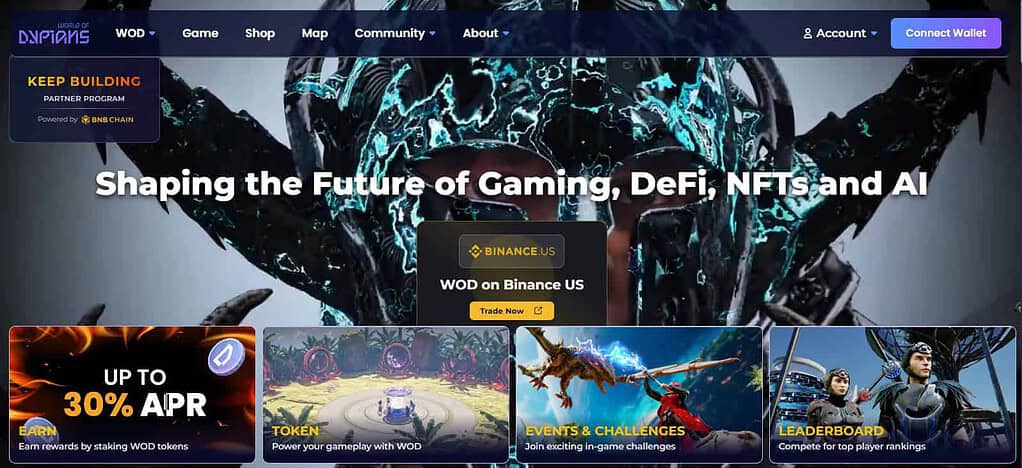
The better way to think about AI is as a supporting or emerging technology, not as the whole game being powered by AI. NFTs can also refer to digital items and assets in its ecosystem.
The game is created for players who are interested in exploration, virtual worlds, web3 communities and rewards. Its crypto economy is tied to the DYP ecosystem, with actual costs for participation and reward availability varying based on the activity and the current state of the game.
AI Features of World of Dypians
- Virtual characters and interactions driven by AI
- Smarter NPC AI
- Quests and exploration with AI assistant
- Customized metaverse experiences
- Content for the digital world, AI-powered
| Pros | Cons |
|---|---|
| Large virtual-world environment | Can have a learning curve for new users |
| Combines gaming and metaverse experiences | Some features may still be evolving |
| Web3 asset ownership | Crypto-market volatility affects assets |
| Multiple activities and exploration options | Hardware requirements may vary |
| DYP ecosystem integration | Rewards and features can change over time |
4. Splinterlands
Splinterlands is a blockchain collectible card game launched in 2018. It is centered around strategic card battles and deck building. AI is not the core gameplay mechanic, battles are mostly based on player selected teams, cards, abilities and rules.
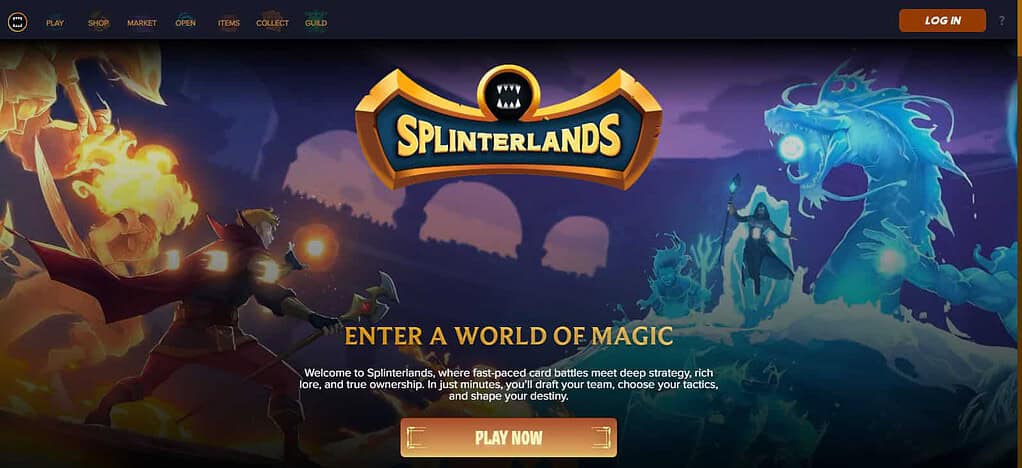
The utility as an NFT is particularly important as collectible cards can represent game assets that the players own on the blockchain and can use, trade or rent. The game is free to play but to be eligible for rewards and competitive features, you may need to participate further or have additional assets.
Its main tokens are SPS and DEC. SPS is for governance and DEC is the main in-game currency. Activities in the ecosystem, such as fighting, will provide players with rewards.
AI Features of Splinterlands
- AI-assisted combat strategy analysis
- Auto battle mechanics
- Intelligent enemy behavior
AI-based player and gameplay analytics - AI tools that can enhance strategic decision-making
| Pros | Cons |
|---|---|
| Strategic card-based gameplay | Can be difficult for new players |
| Blockchain-based card ownership | Card values can fluctuate |
| Cards can be traded or rented | Competitive progression may require investment |
| Multiple ways to participate and earn rewards | Reward systems can change |
| Established Web3 gaming ecosystem | Crypto mechanics add complexity |
5. Gods Unchained
Gods Unchained is a digital collectible trading-card game released in the late 2010s emphasizing strategic deck building and competitive card battles.
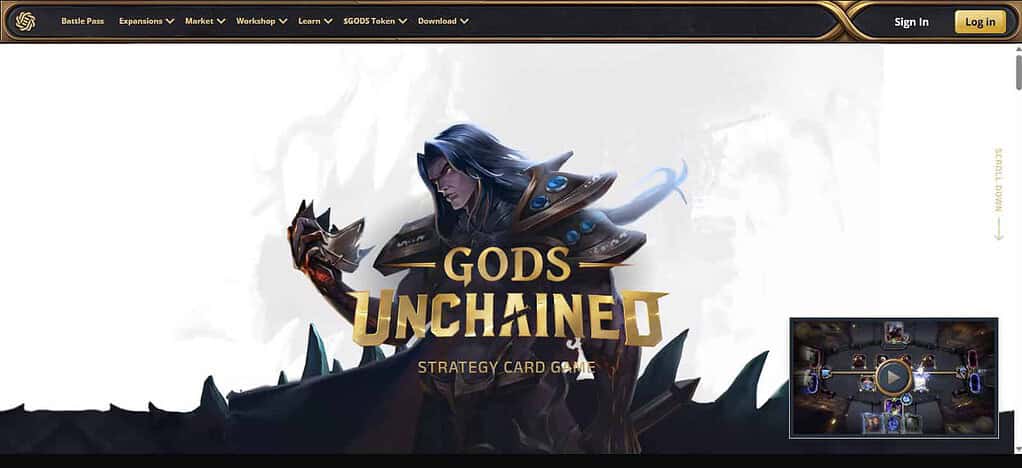
AI is not a primary advertized gameplay feature and so it should not be described as an AI-native game. NFT ownership is the major blockchain feature of the game: eligible cards can be turned into tradable digital resources, giving players the ability to own and trade their collections.
The game itself is free to play, but the blockchain-based collection and crafting elements can add up. The native token is GODS and it can be used to craft NFTs, buy packs, stake and governance. Players can earn rewards from gameplay and from the token-based ecosystem activities.
AI Features of Gods Unchained
- AI-assisted game analysis
- Smarter Matchmaking & Opponent System
- Strategic recommendations based on AI
- Automatic gameplay and card battle analysis
- AI-powered player experience optimization
| Pros | Cons |
|---|---|
| Strong competitive card-game mechanics | Requires learning different card abilities |
| Digital ownership of eligible cards | NFT prices can be volatile |
| Free-to-play accessibility | Competitive decks can require investment |
| GODS token provides ecosystem utility | Crypto wallet setup may challenge beginners |
| Familiar trading-card-game format | Blockchain transactions can add complexity |
6. Decentraland
Decentraland is a virtual-world metaverse project launched in 2017 combining social experiences, digital land, user content creation, and blockchain ownership.
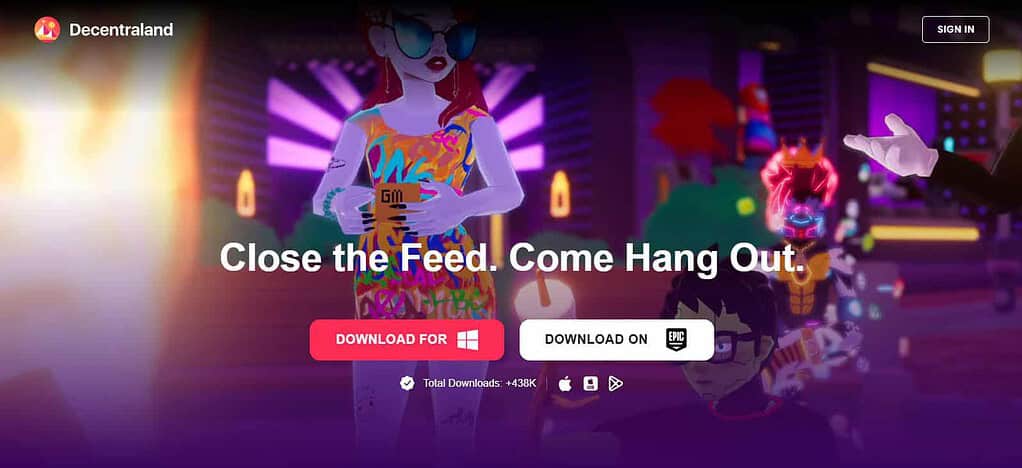
The genre is more of a virtual world / metaverse than a traditional game. AI isn’t the core tech of the platform, it’s the decentralization of ownership and user generated experiences. NFTs are used for LAND, wearables and other digital items, providing users with ownership and marketplace functionality.
While users can explore lots of experiences without having to buy land, some spending will be required to get some assets. Its native token is MANA that can be spent on the ecosystem and marketplace. It’s great for content creators, social users and virtual-world fans.
AI Features of Decentraland
- AI-based NPC and virtual assistant concepts
- Creating content and experiences with help from AI
Avatar interactions with intelligence - Customized virtual world experiences
- Creator tools and automation enabled by AI
| Pros | Cons |
|---|---|
| Large user-created virtual world | Graphics may feel less advanced than AAA games |
| Strong creator economy | Virtual LAND can be expensive |
| Users can own digital assets | MANA price is highly volatile |
| Numerous social and community experiences | Experience quality varies between creators |
| Open-ended creative possibilities | Beginners may need time to understand the ecosystem |
7. The Sandbox
The Sandbox is a community-driven virtual gaming platform that was founded in 2011 and has developed into a blockchain-based metaverse alongside Animoca Brands. It brings together virtual-world exploration, game creation, digital ownership and creator monetization.
AI’s main concern is not its core gameplay but rather its ability to enable users to create and monetize experiences. NFTs can be used for LAND, avatars, assets and creator content. Users can access parts of the ecosystem without purchasing assets and premium content creation or acquisition might have a price.
The native token is SAND and is used throughout the ecosystem for transactions and participation. It’s for creators, builders, gamers and digital asset collectors.
AI Features of The Sandbox
- AI-powered asset and game generation
- Intelligent NPC and character actions
- AI-assisted world building tools
- Features for automated content creation
- Personalized gaming experiences
| Pros | Cons |
|---|---|
| Strong user-generated content ecosystem | LAND can be expensive |
| Powerful creator-focused tools | Learning creation tools takes time |
| Blockchain-based asset ownership | SAND price can fluctuate |
| Large metaverse ecosystem | Some experiences vary in quality |
| Suitable for creators and gamers | Web3 onboarding can be complicated |
8. Star Atlas
Star Atlas is a blockchain-powered space exploration and strategy ecosystem launched in 2021, centered on science-fiction gameplay, exploration, combat, resource management and a persistent digital universe. AI is part of the game’s fictional universe and lore, but it should not be characterized as an AI-powered gameplay system.
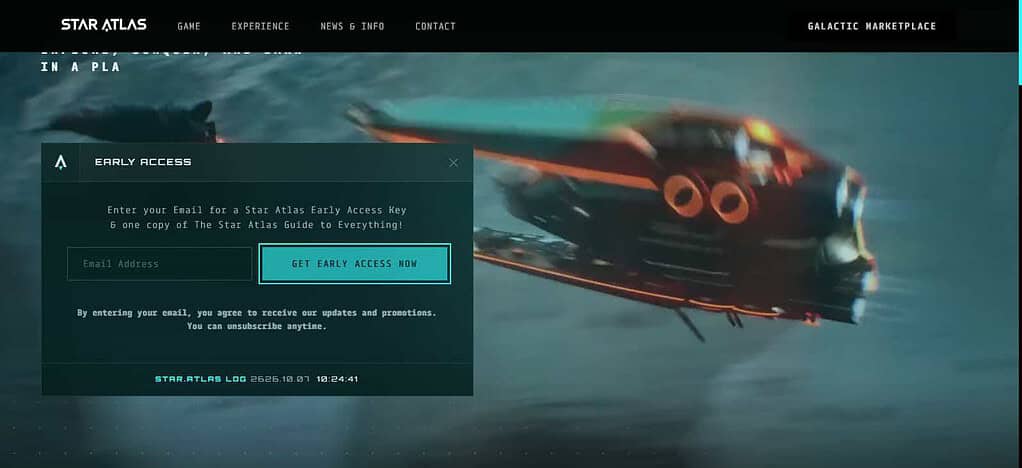
Its NFTs include ships, crew, resources, collectibles and other assets that are of direct use in gameplay. There are a few experiences that have different access models (free-to-play options). Economy uses ATLAS and Governance related functions use POLIS within the ecosystem. Players can earn through staking, fleet rentals and ecosystem participation.
AI Features of Star Atlas
- NPC and character behavior with AI assistance
- Intelligent interactions with space-worlds
- AI-driven discovery systems
- Dynamic gameplay and making strategic choices
- AI-supported simulation and virtual-world creation
| Pros | Cons |
|---|---|
| Immersive science-fiction setting | Complex ecosystem for beginners |
| Space exploration and strategy gameplay | Some assets can have significant costs |
| NFT assets have gameplay utility | NFT and token prices can fluctuate |
| ATLAS and POLIS create multiple economic functions | Full ecosystem is still developing |
| Strong long-term gaming vision | Hardware and technical requirements may vary |
9. Pixels
Pixels is a social farming and adventure game released in the early 2020s. It combines farming, exploration, quests, crafting, social interaction and blockchain-based ownership. It’s primarily a social farming/adventure mmorpg.
AI isn’t the core mechanic of the gameplay so the appeal is less the AI mechanics and more the persistent world and Web3 economy. NFTs can allow ownership of some digital resources and game-related items.
Some assets and activities may be charged, but players may be able to get into the game without necessarily having to invest heavily upfront. The ecosystem is driven by the native token, PIXEL, with rewards and utility tied to gameplay and ecosystem involvement.
AI Features of Pixel
- AI-based NPC interactions
*Dynamic Quests and Gameplay Experiences - Content creation with the help of AI
- Custom player-to-player interactions
- Intelligent social-world experience
| Pros | Cons |
|---|---|
| Accessible social farming gameplay | Pixel-art style may not suit every gamer |
| Easy-to-understand gameplay loop | Token economy can be volatile |
| Strong social and community elements | Some advanced features require Web3 knowledge |
| PIXEL provides ecosystem utility | Rewards and game economics can change |
| Suitable for casual Web3 gamers | Blockchain transactions may add friction |
10. Axie Infinity
Axie Infinity is a blockchain-based creature-collecting and battling game launched in 2018 that combines collecting, breeding, battling and digital ownership. The main genre is not AI gaming, but monster-collecting strategy/RPG, and AI is not the main gameplay technology. Axies are player-owned, playable and tradable NFTs and other NFT assets include land and other game items.
While there can be costs for some competitive/asset based activities, the game has moved to more affordable entry models. AXS and SLP are 2 big tokens. First one has a governance and staking use case, second one has a use case and reward functions related to the gameplay.
AI Features of Axie Infinity
- AI-assisted gameplay analysis
- Intelligent battle strategy recommendations
- AI-supported player behavior analysis
- Automated gameplay optimization
- Potential AI-driven character and game-content systems
| Pros | Cons |
|---|---|
| Well-known blockchain gaming ecosystem | Token prices can be highly volatile |
| Creature collection and battling are easy to understand | Competitive progression can require time |
| Axies provide NFT ownership | NFT values can fluctuate significantly |
| AXS and SLP have different ecosystem roles | Reward economics have changed over time |
| Large Web3 gaming community | Beginners may need time to understand its economy |
Conclusion
To summarize, the best AI blockchain games with crypto rewards in 2026 combine immersive gameplay, digital ownership, NFT utility, and token-based ecosystems. The level of AI integration in each game varies.
Projects like GUNZ, My Neighbor Alice, World of Dypians, Splinterlands, Gods Unchained, Decentraland, The Sandbox, Star Atlas, Pixels and Axie Infinity offer different kinds of Web3 gaming experiences. Check current game status, reward rules, token usage, entry fee and risks before playing, so you can choose a game that best matches your gaming goals.
FAQ
What are AI blockchain games?
AI blockchain games combine artificial intelligence with blockchain technology to create interactive gameplay, digital ownership, AI-assisted characters, dynamic content, or automated game systems. Blockchain can also provide NFTs, tokens, and transparent ownership.
Can you earn crypto by playing blockchain games?
Yes, some blockchain games provide crypto tokens, NFTs, or other digital rewards through gameplay, quests, tournaments, trading, staking, or ecosystem activities. However, rewards are not guaranteed income and can depend on game rules and token values.
Are AI blockchain games free to play?
Some games are free to start, while others may require NFTs, in-game assets, transaction fees, or other purchases. Always check the game’s current entry requirements before spending money.
Which blockchain games are best for beginners?
Games with free access, simple gameplay, and minimal wallet requirements are generally easier for beginners. The best choice depends on whether you prefer strategy, RPG, cards, farming, virtual worlds, or competitive gameplay.