



In this article, I will discuss the best online businesses you can start from home to help you earn money, develop valuable skills, and become financially independent. These business ideas are flexible for beginners and aspiring entrepreneurs to begin with a low investment and successfully grow from home. From freelancing, blogging to e-commerce and online tutoring.
Key Points
| Online Business | What You Do | Startup Cost | Earning Potential | Best For |
|---|---|---|---|---|
| AI Automation Services | Help businesses automate repetitive tasks using AI tools, workflows, chatbots, and integrations. | Low | High | Tech-savvy beginners |
| Digital Marketing Agency | Provide SEO, social media marketing, content marketing, email marketing, or paid advertising services. | Low | High | Marketing professionals |
| Niche E-commerce Store | Sell products online through your own store or marketplaces, focusing on a specific customer niche. | Low–Medium | High | Product-focused entrepreneurs |
| Online Consulting | Sell specialized advice or professional expertise through online consultations, calls, or packages. | Very Low | High | Experienced professionals |
| Freelance Services | Offer skills such as writing, graphic design, web development, video editing, programming, or virtual assistance. | Very Low | Medium–High | Skilled freelancers |
| Online Courses & Digital Education | Create and sell courses, workshops, tutorials, or educational resources based on your expertise. | Low | High | Teachers and experts |
| Affiliate Marketing | Promote relevant products or services through content and earn commissions from qualifying referrals. | Low | Medium–High | Content creators |
| Print-on-Demand Business | Create designs for products such as T-shirts, mugs, and posters while a third party handles production and fulfillment. | Low | Medium | Designers and creators |
| Content Creation | Build an audience through YouTube, blogs, podcasts, newsletters, or social platforms and monetize through multiple methods. | Low | Medium–High | Creators |
| Web Design & Development | Build, maintain, or optimize websites and online stores for businesses and individuals. | Low | High | Web developers and designers |
1. AI Automation Services
AI Automation Services enable organizations to automate repetitive tasks like lead management, customer service, data entry, reporting, email workflows, and internal processes. Startup Cost: Low, primarily for AI and automation software. First Month System: Choose a niche. Learn the tools. Create some sample workflows. Package up your services.

Start contacting potential clients. ** Skills Required: Workflow design, AI prompting, integrations, problem solving, basic tech knowledge. AI Opportunity: Very high as AI is able to drive chatbots, content work flows, data processing and decision support.
Customer Acquisition: LinkedIn, cold outreach, referrals, and demonstrations. Revenue Model: Project fees, set-up fees, retainers or monthly maintenance Scalability Standardized automation packages ensure high throughput.
AI Automation Services Features
- Workflow Automation: Automate business processes that repeat themselves and routine tasks.
- AI-Powered Solutions: Leverage AI tools to deliver customer support, create content, process data, and run business operations.
Custom Integrations: Connect different software platforms to create more efficient workflows. - Continued Services: Provide ongoing monitoring, optimization and maintenance packages.
- High Scalability: Use standardized automation solutions and serve different clients with no proportional increased workload.
| Pros | Cons |
|---|---|
| High demand for business process automation | Requires technical and workflow skills |
| Can start with relatively low overhead | AI tools and platforms change frequently |
| Offers recurring maintenance opportunities | Client integrations can be complex |
| Highly scalable service model | Requires continuous learning |
| Can serve clients remotely | Mistakes in automation can disrupt business processes |
2. Digital Marketing Agency
We are a Digital Marketing Agency offering services for businesses including SEO, social media marketing, email campaigns, content marketing, paid advertising, and conversion optimization. Startup Cost: Low to medium, depending on the needs of the software, advertising tools and team. **

Month 1 Setup: Choose your industry, set up your services, build your website and portfolio, create sample campaigns, start outreach to clients. Skills Needed: SEO, Analytics, Copywriting, Advertising, Strategy, Communication.
AI Opportunity: Strong for research, content drafting, campaign analysis, reporting, and workflow automation. Customer Acquisition: Outreach, referrals, networking, LinkedIn, good content. Revenue Model: Monthly retainers, project fees, or performance-based contracts . Scalability: High, due to dedicated teams and standardized services.
Digital Marketing Agency Features
- Content Marketing: Write marketing copy such as blog posts, landing pages, social posts, etc.
- SEO Services – Enhance website visibility and organic search performance.
- Social Media Marketing: Create and execute campaigns on the relevant social media networks.
- Paid Advertising: Create and manage targeted campaigns on search and social advertising platforms.
- Performance Analytics: Monitor traffic, conversions, engagement and campaign performance.
| Pros | Cons |
|---|---|
| Businesses regularly need marketing services | Competition can be high |
| Multiple services can be offered | Results may take time |
| Recurring monthly retainers are possible | Client expectations can be demanding |
| Can specialize in profitable niches | Advertising platforms and algorithms change |
| Can scale by building a team | Managing multiple campaigns can become complex |
3.Niche E-commerce Store
A Niche E-commerce Store is a store that targets a specific group of customers and sells products to them rather than trying to sell to everyone. Startup Cost: Low to medium, depending on inventory, website development, packaging, marketing and fulfillment.

First-Month Setup: Research your niche Validate your products Choose your suppliers Build your store Create your product pages Create your payment methods Create your marketing plan Skills Required: Product research, branding, customer service, marketing, pricing and basic eCommerce management.
AI Opportunity: Great for product research, descriptions, customer support, personalization, marketing content. Getting customers: SEO, social media, creators, email marketing, paid ads Revenue Model: Sales of Products and Bundles. Scalability: High, if products and fulfillment and marketing systems are optimized.
Niche E-commerce Store Features
- Niche Product Offering: Offer a niche selection of products to a targeted audience.
- Online Storefront: Give customers a space of their own to browse and buy products.
Digital Payments: Convenient online checkout and payment options. - Niche Marketing SEO, social media, email & advertising to reach niche customers
- Scalable Product Catalog: add product ranges according to demand and sales performance of customers.
| Pros | Cons |
|---|---|
| Can build a recognizable niche brand | Product and fulfillment costs can add up |
| Large potential customer reach | Customer acquisition can be expensive |
| Multiple products can be added over time | Returns and customer support require management |
| Can operate from home | Inventory can create financial risk |
| Strong branding can increase customer loyalty | Competition may be intense in popular niches |
4. Online Consultation
Online Consulting is the opportunity for professionals to share their knowledge through video calls, strategy sessions, audits, workshops or ongoing advisory packages. Startup Cost: Low because the expertise is the main asset, not the inventory.
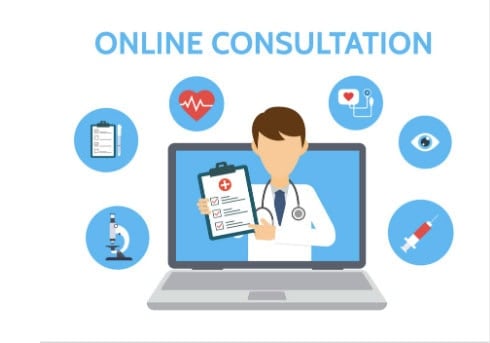
First Month Setup: Identify a specific problem to solve, locate a potential client, develop a professional profile or website, package your expertise into clear offers and begin reaching out. Skills Needed: industry expertise, communication skills, analytical skills, presentation skills, problem solving skills AI Opportunity: High for research, data organization and preparation, documentation and follow-up, with human judgment still at the center.
Getting Customers: Referrals, LinkedIn, networking, content, direct outreach. Revenue Model: By the hour, fixed packages, workshops, or retainers. Scalability: Medium to High via group consulting & digital products.
Internet Consulting Features
- Specialized Knowledge: Offer professional advice from your knowledge and experience.
- Virtual Sessions: Offer consultations via video conferencing and other online communication means.
- Personalized Recommendations: Adapt proposals to meet the specific needs and objectives of each client.
- Flexible Packages: One-off sessions, project packages, workshops or ongoing consulting.
- Global Reach: Work with clients all over the world without having to meet in a physical office.
| Pros | Cons |
|---|---|
| Low initial overhead | Requires genuine expertise |
| Can command premium prices for specialized knowledge | Income may depend heavily on personal availability |
| Can work with clients globally | Building initial credibility can take time |
| Flexible appointment-based model | Difficult clients can require significant attention |
| Can expand into workshops and digital products | Maintaining consistent client acquisition is important |
5. Freelancing Services
Freelance Services Sell your specialized skills independently like writing, graphic design, programming, video editing, virtual assistance, translation, and marketing. Startup costs are very low if you have a computer and the required software.

First Month Setup: Pick one marketable skill and create a few portfolio pieces, create service packages, set your prices, and start applying or reaching out to potential clients directly. Skills Needed: Vary depending on the service you select, but they do include communication, time management and client management.
AI Opportunity: High, for research, drafting, editing, coding help, design ideation and admin work. Acquisition: Freelance marketplaces, LinkedIn, Referrals, Communities, Direct Outreach. Revenue Model: Hourly Rates, Project Fees, or Retainers Scalability: Medium at the start, with potential to scale to an agency or a productized service.
Freelancing services Features
- Skill-based Work – Offer services like writing, designing, programming, editing or virtual assistance.
- Flexible Timing: Select projects and working hours based on your availability.
- Multiple pricing models: Charge hourly rates, flat project fees or repeat retainers.
- Online: Provide the majority of services entirely online.
- Portfolio-Based Growth: Build your credibility by showing completed projects, samples, reviews and referrals.
| Pros | Cons |
|---|---|
| Very low barrier to entry for skilled people | Income can fluctuate |
| Flexible working arrangements | Client deadlines can create pressure |
| Wide range of skills can be monetized | Competition can be significant |
| Can build a strong professional portfolio | Finding clients requires ongoing effort |
| Can develop into an agency or specialized business | Taking on too many projects can cause workload issues |
6. Online Courses & Digital Education
Online Courses & Digital Education is the process of developing educational products such as video courses, tutorials, workshops, ebooks, templates or learning programs around a valuable skill or subject. Startup Cost: Low to medium, depending on recording equipment, course software, hosting and marketing.

Month 1: Pinpoint a learner problem, design the curriculum, write the lessons, create supporting materials, publish the product, and develop a launch plan. Skills Needed: Subject knowledge, teaching, content creation, communication & marketing basics.
AI Opportunity: High for lesson planning, organization of research, quizzes, summaries, content help Customer Acquisition: Search Content, Social Media, Email Lists, Partnerships, Communities Business Model: Selling courses, membership, workshops or subscriptions. Scalability: High, since the same digital product can be sold to multiple customers.
Online Courses & Digital Education Features
- Specialized Topics: Focus on a skill, subject, profession, or learning outcome.
- Digital Learning Materials: Develop video lessons, guides, templates, quizzes, and downloadable resources.
- Self-Paced Learning: Lessons can be accessed by students at their own pace.
- Worldwide Student Network: Promote educational content to students across the world.
- Scalable Products: Build a course once and sell access to many customers over time
| Pros | Cons |
|---|---|
| Digital products can reach a global audience | Creating quality courses requires substantial effort |
| No physical inventory is required | Audience building can take time |
| Multiple students can access the same course | Course topics can become outdated |
| Can generate revenue beyond one-to-one services | Students may require ongoing support |
| Can expand into memberships and workshops | Competition in popular educational niches is high |
7. Affiliate Marketing
Affiliate Marketing is the act of marketing related third party products or services and earning a commission on any qualified sales or actions made through the tracked referrals. Startup Cost: Low, especially if you start with a website, newsletter, social account or content channel.
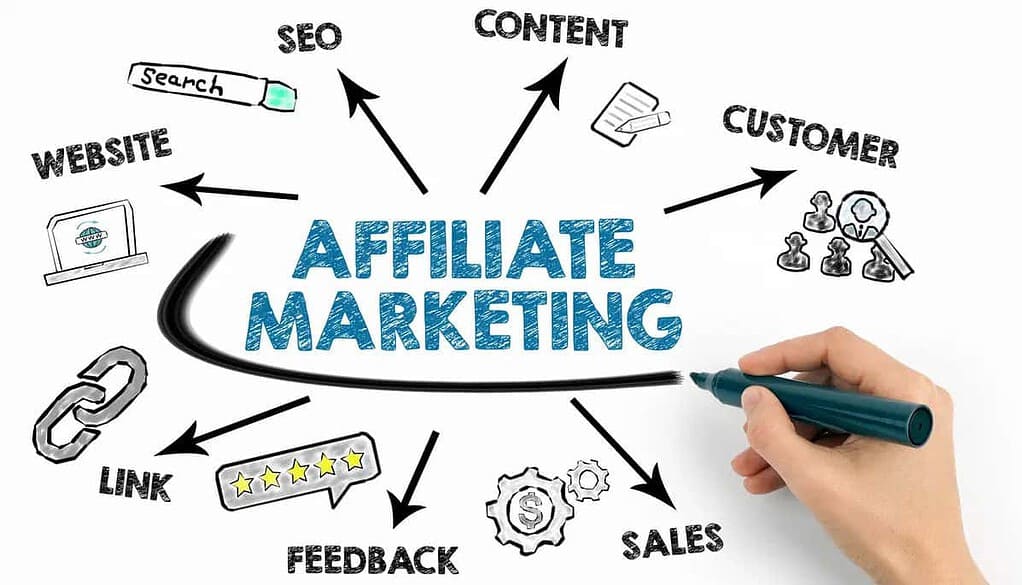
First Month Setup: Select a niche, find affiliate programs, create a platform for your content, create valuable comparison or educational content, and set up tracking. Skills you need: creating content, SEO, audience research, analytics, and persuasive communication. *
* AI Opportunity: High for topic research, outlines, content assistance and analysis, but original value and accuracy still count. Customer Acquisition: SEO, Youtube, Social Media, Newsletters, Communities. Revenue Model: Affiliate commissions. Scalability: High. Evergreen content continues to attract qualified audiences.
Affiliate Marketing Features
- Performance-Based Earnings: Get paid commissions on qualified referrals or purchases.
- Diverse Content Channels: Promote products using websites, blogs, videos, newsletters, or social media.
- Niche Targeting: Create content around particular audiences and product categories they care about.
- No Inventory Needed: Sell third party products without having to maintain traditional inventory.
- Content-Driven Growth: Use helpful reviews, comparisons, tutorials and educational content to generate traffic.
| Pros | Cons |
|---|---|
| No need to manufacture products | Commission rates vary by program |
| Relatively low startup costs | Building traffic can take considerable time |
| Can use multiple content channels | Search and social algorithms can change |
| Many product categories can be targeted | Income is not guaranteed |
| Content can generate referrals over time | Requires audience trust and consistent content |
8. Print-on-Demand Business
A Print on Demand Business is a business where creators can sell customized products such as apparel, accessories, posters, mugs, and other merchandise without holding traditional inventory. Startup Cost: Low, since products are typically made to order. But you may need to invest in design, a storefront, samples, and marketing.
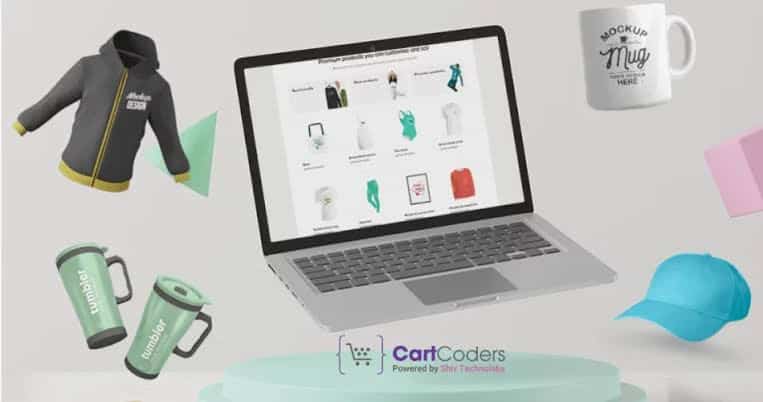
First Month Choose your niche, create your unique designs, set up product listings, link fulfillment, determine pricing, and create promotional content. Skills Needed: Branding, design, niche research, product presentation, marketing.
AI Opportunity: High for concept ideation, brainstorming, descriptions and marketing support. Customer Acquisition: Social Media, Search Engine Optimization, Creator Partnerships, Paid Promotion Profit margins on the sales of products. Scalability: Medium to high with larger design catalogs and strong niche positioning.
Print on Demand Business Features
- No Traditional Inventory: Products can be created upon customer order.
Designs: Make your own art and merch. - Diverse range of products: List products such as clothing, accessories, home decor, and stationery.
- Automated Fulfillment: Manufacturing and order fulfillment can be outsourced to a production partner.
Niche Branding: Build a unique store that caters to a particular clientele, theme or design esthetic.
| Pros | Cons |
|---|---|
| No need to hold traditional inventory | Profit margins can be relatively limited |
| Lower upfront inventory risk | Product quality depends on fulfillment partners |
| Easy to test different designs | Competition among sellers can be high |
| Can target specific communities and niches | Shipping times can affect customer satisfaction |
| Order fulfillment can be outsourced | Successful designs require effective marketing |
9. Content Creation
Content creation is about building an audience on YouTube, blogs, podcasts, newsletters, or social media, and then monetizing that audience. Cost to Start: Low to medium, depending on equipment, software, hosting and production needs.

First Month: Setup Select a niche topic, identify your audience, develop a publishing calendar, establish profiles on platforms, write some initial content and analyze the audience reactions. Skills Needed: Communication, storytelling, research, editing, creativity, audience development.
AI Opportunity: High for brainstorming, organizing research, scripting help, editing help, repurposing content Acquiring Customers: Search engines, social media, partnerships, involvement in the community Revenue Model: Advertising, sponsorships, memberships, affiliate commissions, products and services. Scalability: Once you have a loyal audience and a repeatable content system, it is very scalable.
Content Creation Features
- Multiple Platforms: Publish content through YouTube, blogs, podcasts, newsletters, or social media.
- Audience Building: Develop a community around a specific topic or area of interest.
- Multiple Revenue Streams: Monetize through advertising, sponsorships, memberships, products, services, or affiliate marketing.
- Creative Flexibility: Experiment with educational, entertaining, informative, or specialized content formats.
- Long-Term Asset Building: Consistent high-quality content can continue attracting audiences and opportunities over time.
| Pros | Cons |
|---|---|
| Can be started with relatively low costs | Building an audience can take time |
| Multiple platforms can be used | Consistent publishing requires discipline |
| Several monetization options are available | Platform algorithms can affect reach |
| Can establish personal or brand authority | Income may be unpredictable initially |
| Successful content can create long-term opportunities | High competition makes differentiation important |
10. Web Design & Development
Web Design & Development is a service business that specializes in designing, developing, maintaining, and optimizing websites or online stores for businesses, organizations and individuals. Startup Cost: Low, requiring a computer, development or design software, hosting, domains and portfolio creation.
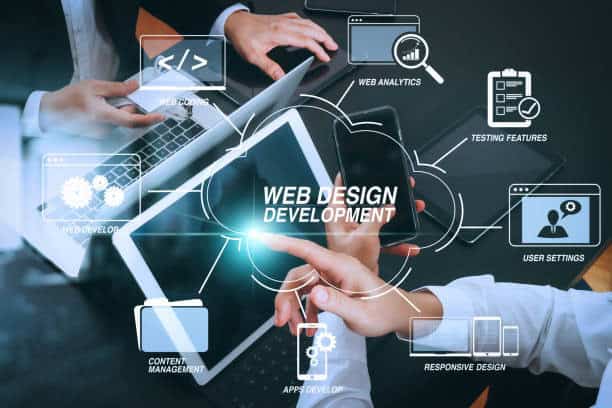
First Month Setup Choose a target market, make several demo sites, build a portfolio, plan packages, set up a professional presence, and reach out to potential clients. Skills Needed: HTML, CSS, JavaScript, CMS experience, UX/UI knowledge, responsive design, SEO fundamentals, and client interaction.
AI Opportunity: High for coding help, debugging, content creation, research and repetitive development work. Customer Acquisition: Referrals, LinkedIn, local businesses, outreach, portfolio marketing Revenue Model: Project fees, maintenance plans, hosting or retainers Scalability: Recurring maintenance and agency services ensure high scalability.
Web Design & Development Features
- Website Creation: Build websites for businesses, professionals, organizations, and individuals.
- Responsive Design: Create websites that work effectively across desktops, tablets, and smartphones.
- E-commerce Development: Build online stores with product catalogs, checkout functionality, and integrations.
- Website Maintenance: Provide ongoing updates, security, performance improvements, and technical support.
- Custom Solutions: Develop websites and features according to specific business requirements.
| Pros | Cons |
|---|---|
| Businesses across industries need websites | Requires technical and design knowledge |
| Can command strong project-based fees | Projects can involve demanding requirements |
| Recurring maintenance services are possible | Technology and development tools evolve quickly |
| Can work remotely with international clients | Debugging and technical issues can consume time |
| Can scale into an agency | Managing multiple client projects requires strong organization |
Conclusion
What is the best online business to start from home in 2026? There are so many options to choose from, such as AI automation, digital marketing, e-commerce, consulting, freelancing, education, affiliate marketing, content creation, and web design! The choice you make will depend on your skills, budget, time, and long-term goals. Find a business model you can comprehend and run over and over again. Solve a specific problem for a customer. Use AI to increase efficiency. Create reliable customer acquisition and revenue systems. A focused niche, practical execution, and continuous learning can turn a home-based online business into a sustainable source of income and long-term growth.
FAQ
What is the best online business to start from home in 2026?
The best online business depends on your skills, budget, and goals. AI automation services, digital marketing, freelancing, online consulting, e-commerce, and web development are strong options because they can be started from home and scaled over time.
Which online business can I start with a low budget?
Freelance services, online consulting, affiliate marketing, content creation, and AI automation services can generally be started with relatively low upfront costs. Your main investment may be a computer, internet connection, software, learning resources, and time.
Can I start an online business without technical skills?
Yes. Not every online business requires programming or advanced technical knowledge. Consulting, content creation, affiliate marketing, digital education, freelancing, and certain e-commerce models can be started using non-technical skills.
Which home-based online business has the highest earning potential?
Earning potential varies based on expertise, niche, pricing, demand, customer acquisition, and scalability. AI automation, digital marketing, web development, consulting, and specialized e-commerce can offer strong revenue potential, but none guarantees a specific income.
How much money do I need to start an online business from home?
The amount varies significantly by business model. Service-based businesses can often start with minimal investment, while e-commerce may require money for products, fulfillment, website setup, and marketing. A practical approach is to start lean and reinvest revenue as the business grows.