




In this article, I will analyze Luma Dream Machine’s competitors for AI video in 2026, especially those with innovative price, control, video quality and duration, post-production editing, and/or software integration through an application programming interface (API) tools.
I will cover Google Veo 3.1, Sora, HeyGen, and Synthesia among others. I will also cover Pika 2.5 and its engine, Gemini Omni Flash. The covers above illustrate the best cinematic realism in the industry. In 2026, the competitors of Luma Dream Machine for AI video offer the most competitive offers in the industry.
What Is Luma Dream Machine Rivals?
Luma Dream Machine competitors are similar AI-based video generation platforms, which emerged in 2026, and focused on various aspects such as pricing and control, quality and length of videos, level of editing, and integration with Application Programming Interfaces (APIs). Some examples of Luma Dream Machine competitors are Google Veo 3.1, Runway Gen-4.5, Kling 3.0, Sora, HeyGen, Synthesia, Descript, Gemini Omni Flash 2.5, Pika 2.5, Hailuo 2.3, Lumigen, SeeDance 2, Wan Alibaba, Happy Horse 1.0, and others.
These competitors with Luma Dream Machine, have contributed to the advancement of the AI-based video generation industry in 2026, and offer various features such as affordable pricing, videos with high cinematic quality and depth, quick generation of videos, and others.
Key Points
| Model | Maker | Strengths | Best Use Cases |
|---|---|---|---|
| Google Veo 3.1 | Native audio, 4K realism, strong prompt adherence | Filmmakers, cinematic projects | |
| Runway Gen-4.5 | Runway | Motion brush, camera control, frame editing | Professional creative teams |
| Kling 3.0 | Kuaishou | Long clips (2 min), realistic physics | Extended cinematic shots |
| Sora | OpenAI | High-fidelity, coherent multi-scene video | Complex storytelling |
| HeyGen | HeyGen | Best avatar realism, multilingual lip-sync | Corporate, marketing avatars |
| Synthesia | Synthesia | Enterprise-scale training & onboarding | Corporate communication |
| Descript | Descript | Transcript-driven video + audio editing | Podcasts, interviews |
| Gemini Omni Flash | Fast short-form video, natural-language editing | Social content, quick edits | |
| Pika 2.5 | Pika Labs | Fun, fast clips with creative effects | TikTok, Reels, Shorts |
| Hailuo 2.3 | MiniMax | Strong prompt accuracy, low cost | Budget creators |
| Lumigen | Lumigen | Multi-model pipeline (Veo, Kling, SeeDance) | Full production workflows |
| SeeDance 2 | ByteDance | Frontier leaderboard quality, strong physics | High-end creative projects |
| Wan | Alibaba | Frontier realism, competitive pricing | Commercial video production |
| Happy Horse 1.0 | Independent | Unique style, leaderboard-ranked | Experimental visuals |
1. Google Veo 3.1
A member of Google’s AI video generator family, Veo 3.1 ticks all the boxes for a top-tier competitor. With 4K resolution, and advanced prompt adherence and natural audio, it rapidly generates high fidelity videos.
Price is somewhat flexible, with a premium tier for enterprise API access, which includes other features like unlimited rendering. Veo 3.1 embraces traditional filmmaking controls with the ability to adjust camera angles and aspects of motion and editing.
Realism carries over into video and audio post-production, with editing features to refine lighting and controls to adjust perspective and fidelity. API and cloud integration make it easily deployable in the enterprise. Features aimed at filmmakers and production studios make Veo 3.1 comparable to Luma Dream Machine.
Google Veo 3.1 Features, Pros & Cons
| Feature | Pros | Cons |
|---|---|---|
| Pricing | Flexible tiers, enterprise API | Higher cost for 4K rendering |
| Controls | Camera angles, scene transitions | Complex for beginners |
| Video Quality | 4K cinematic realism | Heavy compute demand |
| Duration | Up to 90s | Limited for long films |
| Editing | Frame-by-frame refinement | Learning curve |
| API | Robust, scalable | Enterprise-focused |
| Audio | Native integration | Limited customization |
| Physics | Realistic motion | Slower rendering |
| Prompt Adherence | Strong accuracy | Occasional overfitting |
| Workflow | Cloud deployment | Locked to Google ecosystem |
| Accessibility | Wide availability | Region-based restrictions |
| Use Case | Filmmaking | Less suited for casual creators |
2. Runway Gen-4.5
Designed for content creators, Runway Gen-4.5 provides editing layers, offers controls for camera path, and provides motion brush tools in its subscription service. The higher-tier subscriptions provide longer limits on clip length and provide an API key.
The video frame consistency and smooth motion lead to a good final product. The frame and motion tools allow for adjustment at the frame level. The frame level tools and adjustability of the API provide an edge for post-production and integration with other digital content creation tools. runway is a strong contender against Luma Dream Machine for highest editing freedom tools.
Runway Gen-4.5 Features, Pros & Cons
| Feature | Pros | Cons |
|---|---|---|
| Pricing | Subscription tiers | Expensive pro plan |
| Controls | Motion brush, camera path | Advanced tools overwhelm |
| Video Quality | Smooth motion | Slightly less realism than Veo |
| Duration | 60s clips | Needs stitching for longer |
| Editing | Industry-leading | Time-intensive |
| API | Creative team integration | Limited free tier |
| Workflow | Studio pipelines | Locked ecosystem |
| Physics | Strong consistency | Not frontier-level |
| Prompt Adherence | Reliable | Occasional drift |
| Accessibility | Easy UI | Pro features gated |
| Audio | Sync support | No native audio generation |
| Use Case | Professional creators | Less casual-friendly |
3. Kling 3.0
Kling 3.0 by Kuaishou allow for content creation of video clips of up to 2 minutes. Pricing for the lower tiers allows for content creation monetization for individual users. Higher tiers provide tools to simulate physics and create scenes with multiple characters and objects.

Editing tools allow for control over how scenes blend. An API provides tools for integration and automation for content creation and editing. Kling 3.0 provides tools for content creation for scenes with heavy motion and environmental effects. Due to these tools Kling 3.0 is a strong competitor with Luma Dream Machine for cinematic content creation.
Kling 3.0 Features, Pros & Cons
| Feature | Pros | Cons |
|---|---|---|
| Pricing | Competitive | Enterprise costs rise |
| Controls | Scene composition | Limited fine-tuning |
| Video Quality | Realistic physics | Slightly less cinematic |
| Duration | 2 minutes | Rendering time longer |
| Editing | Timeline adjustments | Fewer frame-level tools |
| API | Batch rendering | Documentation limited |
| Workflow | Creative integration | China-centric ecosystem |
| Physics | Strong | Occasional artifacts |
| Prompt Adherence | Accurate | Needs refinement |
| Accessibility | Affordable tiers | Language barrier |
| Audio | Realistic sync | Limited customization |
| Use Case | Cinematic storytelling | Less suited for micro-content |
4. Sora
Sora is powered by OpenAI. Sora has significant potential in narrative structures and coupled with high realism, has strong potential in various kinds of media. Like other products, pricing is based on usage with the enterprise tier providing greater rendering prioritization and access to the Sora API.
In terms of content, Sora allows the chaining of scenes together, maintains realism across a cast of characters, and allows environmental realism. Realism and physics serve to animate structures and environments. Clips are limited to 1-1.5 minutes.
Post-processing allows prompts to be edited and scenarios regenerated. Given the strength of the Sora API, realism and narrative cohesion provide strong foundations, Sora is directly competing with the Luma Dream Machine for media structures and narratives.
Sora Features, Pros & Cons
| Feature | Pros | Cons |
|---|---|---|
| Pricing | Usage-based | High enterprise cost |
| Controls | Scene chaining | Complex prompts |
| Video Quality | Frontier realism | Heavy compute |
| Duration | 60–90s | Needs stitching |
| Editing | Prompt refinement | Limited manual editing |
| API | Powerful | Restricted access |
| Workflow | Creative pipelines | Locked to OpenAI |
| Physics | Strong | Slower rendering |
| Prompt Adherence | High fidelity | Occasional drift |
| Accessibility | Broad | Region restrictions |
| Audio | Natural sync | Limited customization |
| Use Case | Storytelling | Less suited for quick clips |
5. HeyGen
HeyGen is specialized in AI-generated avatars with realistic facial expressions and lip-sync in multiple languages. HeyGen uses a subscription model and provides the API and prioritized rendering in the enterprise model. Avatars can be customized and video generated with script alignment. Avatars exhibit natural lip-sync and gestures.

The much longer (compared to competitors) clips provide ample opportunity for training and presentations. Editing allows adjustment of the script, voice and appearance of the avatar. The power of the HeyGen API allows integration with enterprise communication and aligns HeyGen directly against Luma for the same set of marketing and training video applications.
HeyGen Features, Pros & Cons
| Feature | Pros | Cons |
|---|---|---|
| Pricing | Subscription | Enterprise costs |
| Controls | Avatar customization | Limited cinematic tools |
| Video Quality | Realistic avatars | Less environmental realism |
| Duration | 5–10 min | Rendering slower |
| Editing | Script-driven | Limited manual edits |
| API | Enterprise integration | Focused on corporate |
| Workflow | Communication platforms | Not cinematic |
| Physics | Facial realism | Limited motion |
| Prompt Adherence | Strong | Narrow scope |
| Accessibility | Easy UI | Pro features gated |
| Audio | Multilingual lip-sync | Limited natural audio |
| Use Case | Corporate avatars | Not for filmmaking |
6. Synthesia
Synthesia is an AI video generator that lets customers create videos at scale using 3D avatars. Price is based on subscription and plans that support thousands of videos each month are available for customers at the enterprise level. In the control group are options to customize voices and scripts to automate video generation. Synthesia leverages AI to generate professional videos for training and other business communications. Each video can be up to 10 minutes long.
Users can customize avatars and backgrounds. Synthesia’s API makes it easy to integrate the product with other business and learning applications. Luma Dream Machine focuses more broadly on the business and workflow automation space, with Synthesia competing specifically in the automation of business training, communication, and workflow.
Synthesia Features, Pros & Cons
| Feature | Pros | Cons |
|---|---|---|
| Pricing | Enterprise scale | Expensive |
| Controls | Avatar selection | Limited cinematic tools |
| Video Quality | Professional | Less realism |
| Duration | 10 min | Rendering slower |
| Editing | Script updates | Limited manual edits |
| API | Robust | Enterprise-only |
| Workflow | Corporate training | Not creative |
| Physics | Consistent | Limited realism |
| Prompt Adherence | Strong | Narrow scope |
| Accessibility | Wide | Locked features |
| Audio | Voice customization | Limited natural sync |
| Use Case | Training | Not cinematic |
7. Descript
Descript utilizes transcripts to let users edit video and audio content. Transcripts are produced by the application and are used to further edit content. Transcripts can also be edited to generate videos and podcasts. Descript’s subscription-based pricing allows access to advanced features and an API. Audio and video content can be edited using the transcripts.

Edits can be synchronization-related. Descript’s focus on transcripts and automation of audio and video content editing gives the application a broad range of business opportunities. The application directly competes with Luma Dream Machine in automating video and audio content editing.
Descript Features, Pros & Cons
| Feature | Pros | Cons |
|---|---|---|
| Pricing | Subscription | Pro tier costly |
| Controls | Transcript-driven | Limited cinematic |
| Video Quality | Strong for interviews | Not frontier realism |
| Duration | Flexible | Rendering slower |
| Editing | Text-based | Limited creative |
| API | Workflow integration | Narrow scope |
| Workflow | Podcast platforms | Not cinematic |
| Physics | Consistent | Limited realism |
| Prompt Adherence | Strong | Narrow scope |
| Accessibility | Easy UI | Pro features gated |
| Audio | Overdub synthesis | Limited natural sync |
| Use Case | Podcasts | Not filmmaking |
8. Gemini Omni Flash
Gemini Omni Flash, Google’s latest offering, is a powerhouse tool for creators to rapidly generate a range of video content, from shorts to reels, with a focus on TikTok. The monetization model, based on pay per use, has rates lower than most traditional video generation tools.
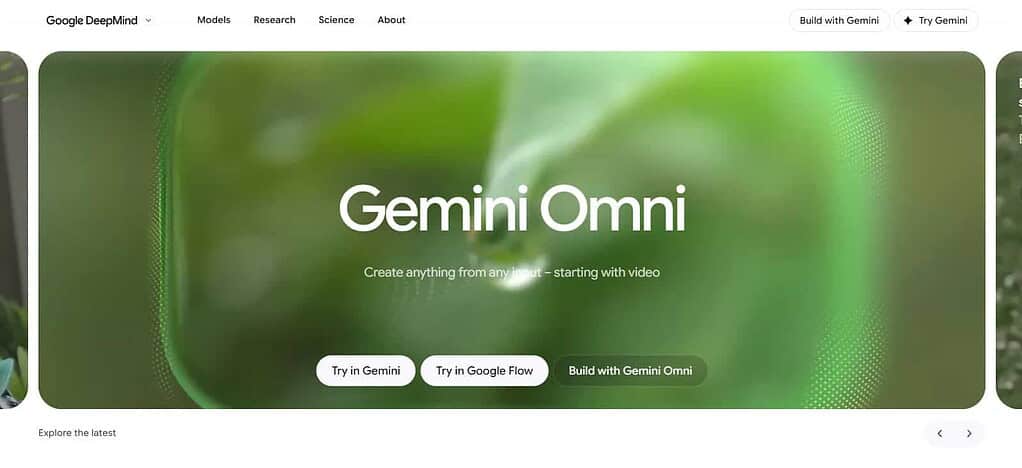
Gemini Omni Flash sets itself apart with features like natural language editing, preset styles, and quick scene generation. As with other AI video generators, content is limited to shorter clips. Gemini Omni Flash is able to generate video content at a quality comparable to Luma Dream Machine.
Its API integration gives creators the ability to directly post video content to social platforms. Unlike Luma Dream Machine, Gemini Omni Flash focuses on producing a wider variety of content of lower quality and less duration, making it well suited for creators in the TikTok, Reels, and Shorts spheres.
Gemini Omni Flash Features, Pros & Cons
| Feature | Pros | Cons |
|---|---|---|
| Pricing | Affordable | Usage limits |
| Controls | Natural-language | Limited cinematic |
| Video Quality | High short clips | Not frontier realism |
| Duration | 30s | Short only |
| Editing | Instant refinements | Limited manual edits |
| API | Social integration | Narrow scope |
| Workflow | Social media | Not cinematic |
| Physics | Smooth motion | Limited realism |
| Prompt Adherence | Strong | Narrow scope |
| Accessibility | Easy UI | Region restrictions |
| Audio | Sync support | Limited natural audio |
| Use Case | Social creators | Not filmmaking |
9. Pika 2.5
Pika 2.5, similar to Gemini Omni Flash, is designed to effortlessly create a myriad of content types, including shorter format videos. Pika 2.5 has competitive rates and offers a multitude of features with a basic subscription. Similar to Gemini Omni Flash, Pika 2.5 offers styles and motion presets to create video content quickly and easily.

Video quality and duration are limits constrained by Pika 2.5. Like other AI video generators, duration is limited to 15 seconds or less. Editing allows adding effects and creators can adjust features instantly. Pika 2.5 and Luma Dream Machine offer similar features and focus on creating content for TikTok and similar platforms.
Pika 2.5 Features, Pros & Cons
| Feature | Pros | Cons |
|---|---|---|
| Pricing | Free tier | Limited pro features |
| Controls | Style presets | Limited cinematic |
| Video Quality | Creative effects | Not frontier realism |
| Duration | 10–15s | Short only |
| Editing | Quick refinements | Limited manual edits |
| API | Social integration | Narrow scope |
| Workflow | Social media | Not cinematic |
| Physics | Smooth motion | Limited realism |
| Prompt Adherence | Strong | Narrow scope |
| Accessibility | Easy UI | Pro features gated |
| Audio | Sync support | Limited natural audio |
| Use Case | TikTok/Reels | Not filmmaking |
10. Hailuo 2.3
Hailuo 2.3 is an AI video generator that uses prompts well and is affordable. They offer a variety of features including generating scenes and adding motion in a video. Video quality is impressive for the price. There are limits to how long a video can be.
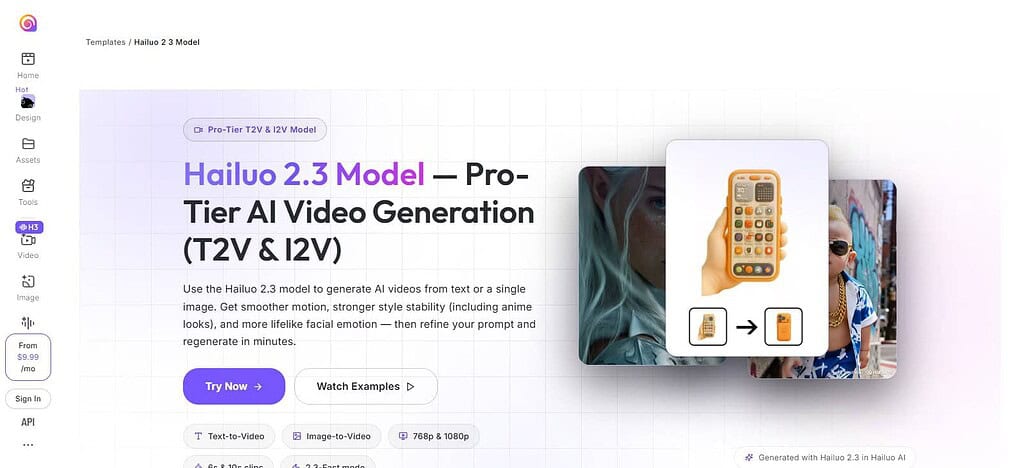
The company charges a low price for a good product, attracting individual customers. They offer an API, and users can request access to the API to add video generation features to other apps. Hailuo 2.3 is a good option for users who want to generate videos with a lower budget and good realism.
Hailuo 2.3 Features, Pros & Cons
| Feature | Pros | Cons |
|---|---|---|
| Pricing | Low-cost | Limited enterprise |
| Controls | Scene presets | Limited cinematic |
| Video Quality | Solid realism | Not frontier |
| Duration | 10–20s | Short only |
| Editing | Quick refinements | Limited manual edits |
| API | Creative integration | Narrow scope |
| Workflow | Budget creators | Not cinematic |
| Physics | Consistent | Limited realism |
| Prompt Adherence | Strong | Narrow scope |
| Accessibility | Affordable | Limited features |
| Audio | Sync support | Limited customization |
| Use Case | Budget creators | Not filmmaking |
11. Lumigen
Lumigen is an additional platform where users can purchase video generation services from Veo, Kling, and SeeDance models. Pricing is focused on large companies. Lumigen gives users the ability to do automated scene blending for video generation.

The video quality is good, and users can make videos of any length. Users can edit generated videos to make changes across models and pipelines. Lumigen provides a good set of tools for editing and integrating video generation services in company apps. Lumigen is a good option for companies that need to generate videos with various models and companies for pipeline automation.
Lumigen Features, Pros & Cons
| Feature | Pros | Cons |
|---|---|---|
| Pricing | Enterprise | Expensive |
| Controls | Multi-model | Complex |
| Video Quality | Frontier | Heavy compute |
| Duration | Flexible | Rendering slower |
| Editing | Cross-model | Complex |
| API | Robust | Enterprise-only |
| Workflow | Studio pipelines | Locked ecosystem |
| Physics | Strong | Slower |
| Prompt Adherence | Strong | Complex prompts |
| Accessibility | Enterprise | Limited access |
| Audio | Sync support | Limited customization |
| Use Case | Studios | Not casual |
12. SeeDance 2
SeeDance 2 is a highly realistic AI video generator by ByteDance. It features advanced physics simulations and pricing for enterprise clients that includes an API. In the video generator, you can simulate physics and refine motion and compositions.
The generator creates videos with realistic motion and high quality. The largest limitation of the generator is the maximum video length of 60 seconds. The video generator includes editing tools that allow users to make minor changes and control what prompts the video generator uses.
The video generator includes an API and supports creative workflows. From a business and marketing perspective, SeeDance 2 and Wan by Alibaba are the most competitive to Luma Dream Machine and offer similar realism at a lower cost.
SeeDance 2 Features, Pros & Cons
| Feature | Pros | Cons |
|---|---|---|
| Pricing | Competitive | Enterprise costs |
| Controls | Motion refinement | Limited cinematic |
| Video Quality | Frontier realism | Heavy compute |
| Duration | 60s | Shorter |
| Editing | Prompt refinements | Limited manual edits |
| API | Creative integration | Narrow scope |
| Workflow | High-end projects | Not casual |
| Physics | Strong | Slower |
| Prompt Adherence | Strong | Complex prompts |
| Accessibility | Competitive | Limited access |
| Audio | Sync support | Limited customization |
| Use Case | Creative projects | Not casual |
13. Wan Alibaba
Wan by Alibaba is a real-time video generation platform powered by AI. It offers a range of features including automatic scene generation, motion refinement, and style options. The videos generated by Wan have great quality, with realistic movement and environmental sounds.
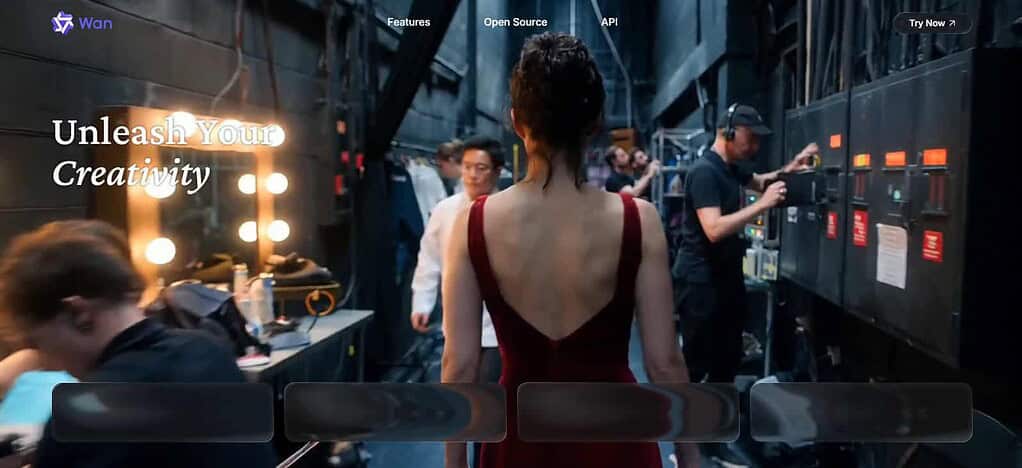
Each video is limited to 60 seconds. The platform allows users to edit videos to change or adjust scenes. The API allows businesses to integrate Wan into their apps. Enterprise clients mainly use Wan to create realistic videos for their clients. For commercial and enterprise clients, Wan is comparable to the Luma Dream Machine.
Wan (Alibaba) Features, Pros & Cons
| Feature | Pros | Cons |
|---|---|---|
| Pricing | Competitive | Enterprise costs |
| Controls | Scene generation | Limited cinematic |
| Video Quality | Strong realism | Not frontier |
| Duration | 60s | Shorter |
| Editing | Quick refinements | Limited manual edits |
| API | Enterprise integration | Narrow scope |
| Workflow | Commercial projects | Not casual |
| Physics | Strong | Slower |
| Prompt Adherence | Strong | Complex prompts |
| Accessibility | Competitive | Limited access |
| Audio | Sync support | Limited customization |
| Use Case | Commercial video | Not casual |
14. Happy Horse 1.0
Happy Horse 1.0 is an up‑and‑coming player in AI video generation. It offers aesthetic customizations and a unique style that reflects experimental digital art and visuals. The app offers lower tiered pricing for individual creators and smaller studios.
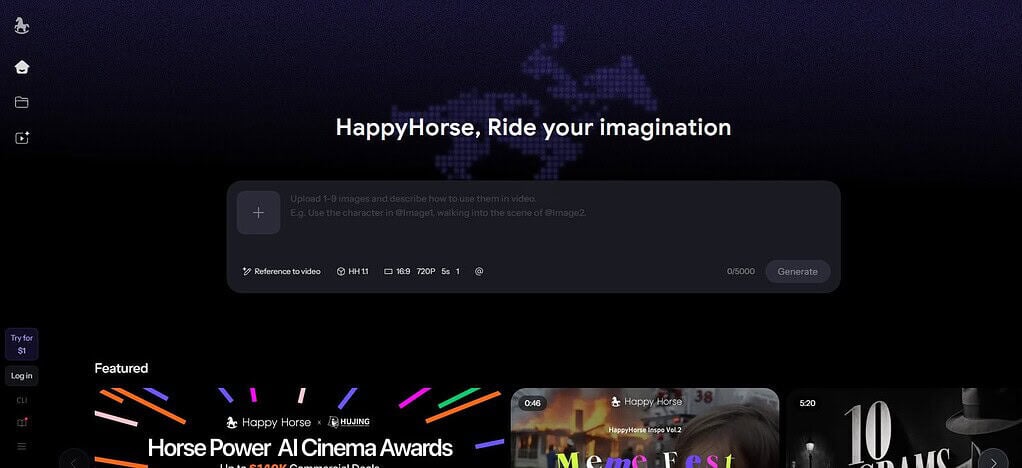
The controls and filters used to generate video clips are less advanced than Runway or Veo, but offer prompts and filters to adjust motion. Similar to other AI video generation platforms, Happy Horse 1.0’s major constraint is achieving cinematic quality and realism. Happy Horse 1.0 is particularly well‑suited for creators focused on realism within the bounds of stylized art.
Editing tools are available to adjust style. However, tools to adjust video composition are not available. Each clip is limited to 30 to 45 seconds, and the video generation API is unrestricted. With the video generation API, creators can incorporate artificial intelligence (AI) technology into their downstream creative projects. Like Happy Horse 1.0, the Luma Dream Machine also allows creators to experiment and engage their creativity in a different manner by generating videos using AI technology.
Happy Horse 1.0 Features, Pros & Cons
| Feature | Pros | Cons |
|---|---|---|
| Pricing | Affordable tiers for individuals and small studios | Limited enterprise packages compared to rivals |
| Controls | Simple scene prompts, style filters, motion refinement | Less advanced than Runway or Veo |
| Video Quality | Stylized realism with unique artistic visuals | Lower cinematic fidelity than frontier models |
| Duration | 30–45 seconds per clip, good for short storytelling | Cannot match Kling’s 2‑minute capacity |
| Editing | Prompt re‑generation, style adjustments | No frame‑level or timeline editing |
| API Access | Available for creative pipelines | Documentation less robust than enterprise rivals |
| Workflow Integration | Easy for small teams and indie creators | Not optimized for large studio pipelines |
| Physics & Motion | Smooth stylized motion | Less realistic physics than SeeDance or Sora |
| Prompt Adherence | Strong for artistic prompts | Struggles with complex cinematic instructions |
| Accessibility | Lightweight, easy to use | Limited advanced customization |
| Audio | Basic sync support | No multilingual lip‑sync like HeyGen |
| Use Case | Ideal for experimental creators seeking originality | Not suited for enterprise or cinematic realism |
Conclusion
Finally, we have a look at the competitive AI video landscape in 2026, where Luma Dream Machine will go up against Google Veo 3.1, Runway Gen-4.5, Kling 3.0, Sora, HeyGen, Synthesia, Descript, Gemini Omni Flash, Pika 2.5, Hailuo 2.3, Lumigen, SeeDance 2, Wan (Alibaba), and Happy Horse 1.0. Each of these offerings finds ways to differentiate itself based on factors such as cost, artistic control, video quality, clip length, editing capability, and integration with other applications.
Veo and Kling lead the way for long, cinematic video clips, Runway and Lumigen offer advanced editing, and HeyGen and Synthesia offer advanced avatars for the workplace. With all of these offerings, consumers of AI video content have many alternatives for realism and speed for various social media and corporate video needs.
FAQ
Which rival offers the longest video duration?
Kling 3.0 supports up to 2‑minute clips, making it the leader in extended storytelling compared to most rivals capped at 30–90 seconds.
Which rival is best for cinematic realism?
Google Veo 3.1 and Sora excel in 4K realism, physics accuracy, and multi‑scene coherence, ideal for filmmakers.
Which rival is most affordable?
Hailuo 2.3 offers budget‑friendly tiers with solid realism, while Pika 2.5 provides free options for casual creators.
Which rival has the strongest editing controls?
Runway Gen‑4.5 leads with motion brush, camera path control, and frame‑level editing, unmatched by most competitors.
Which rival is best for enterprise workflows?
Synthesia and HeyGen dominate corporate communication with scalable avatar videos, multilingual lip‑sync, and robust API integration.
Synthesia