




This article will cover a quickly developing career path of AI Safety Engineer Jobs in detail. I will explain what an AI Safety Engineer is and discuss the key components of this career path, including associated skills, salary, the most active hiring companies, and potential growth of safety in AI.
Safely developing AI has a long future ahead, and I will help you understand the importance of this career path.
What is an AI Safety Engineer?
An AI Safety Engineer is responsible for managing the safe, reliable, and ethical application of artificial intelligence within physical environments. The goal is to identify and mitigate the risks of algorithmic bias, failures of the system, security risks, and unpredictable behavior of AI models.
There are various safety measures, extensive testing, and obstacles to avoid negative and unpredictable results that are designed by AI Safety Engineers. With respect to the alignment of AI systems with both human interests and the law, AI Safety Engineers cooperate and collaborate extensively with machine learning engineers, researchers, and policy teams.
Because artificial intelligence is becoming more powerful and more popular, designing trustworthy and responsible AI technologies in healthcare, finance, and automation gives them the most concern.
Key Skills Required for AI Safety Engineers
Knowledge of Machine Learning and Deep Learning: Essential to recognize ML models and to understand the intricacies of training and the structure of networks to analyze and modify AI systems.
Software Development Skills (Python, TensorFlow, PyTorch): Required to implement and ensure the operational integrity of AI safety frameworks and software.
AI Ethics and Responsible AI: Understanding of the constructs of fairness and transparency, and the mitigation of bias and ethics in AI design and implementation.
Risk Assessment and Threat Identification: Ability to proactively assess AI systems to identify potentially dangerous and ethically troubling failures and vulnerabilities.
Data Analysis and Critical Thinking: Important to effectively assess model performance, identify issues, and enhance the reliability of the model.
System Integrity and Safety Consciousness: Understanding of how manipulative and adversarial attacks can be used to compromise AI safety.
Interpersonal Skills: Important to work alongside engineers and researchers to develop AI systems that are safe and responsible.
Salary Trends for AI Safety Engineers
AI Safety Engineering salaries are on the higher end due to strong demand for the profession, and are on an upward trend due to the demand for safe and responsible AI systems.
Entry-level safety engineers with a background in machine learning, data science or software engineering, have better than average starting salaries. Safety engineers with risk assessment, AI ethics and/or model security experience can expect high salaries as well.
Premium salaries, inclusive of bonuses and stock options, are on offer for senior professionals and safety engineering researchers in top AI companies or leading edge AI research labs. Leading tech companies and AI research firms offer industry leading salaries and compensation for AI Safety Engineers.
Career Path & Growth Opportunities
To pursue a career as an AI Safety Engineer, the most common first step is to attain a degree or some higher education in a computer science, AI, data science, or a comparable field. Many of these positions start with entry-level jobs as a machine learning engineer, data analyst, software developer, or something of the sort.
From these positions, one can make their move into AI Safety Engineering or similar roles, such as AI Ethics Specialist or AI Risk Analyst. All of these roles help ensure the development of consistent and safe AI. Continuing to climb the career ladder can lead to roles as a director of research, a team lead of AI Safety, an AI Safety Policy Consultant, or an AI Safety Policy Advisor.
These positions help develop the policy and the safety features of AI. As the field of AI continues to grow, the demand and opportunity for responsible AI also grows, directly impacting the creation of safety features for AI and policy development.
AI Safety Engineer Jobs List
- AI Safety Engineer
- AI Ethics Engineer
- AI Risk Analyst
- AI Compliance Officer
- AI Safety Researcher
- AI Security Engineer
- AI Safety Product Manager
- AI Safety Policy Advisor
- AI Safety ML Engineer
- AI Safety Automation Consultant
10 AI Safety Engineer Jobs
1. AI Safety Engineer
AI Safety Engineers design systems to help AI behave safely and reliably. They help combat failures, bias, and harmful outputs. With the rapid AI adoption in safety-critical fields like healthcare, finance, and defense, AI Safety Engineer Jobs- AI Safety Engineer are now an essential part of modern tech ecosystems.

These Engineers assist ML teams in testing models and establishing deploy-time safeguards and assessing the associated risks. They define safety standards and safeguard regulations, run safety and compliance regulations, and address ethical concerns pertaining to AI and assist in strengthening and clarifying AI models.
AI Safety Engineer – Details
| Feature | Details |
|---|---|
| Core Focus | Ensuring AI systems are safe, reliable, and aligned with human intent |
| Key Work | Testing AI models, identifying failures, adding safety guardrails |
| Skills Needed | Machine learning, Python, risk analysis, system design |
| Main Goal | Prevent harmful or unintended AI behavior |
| Industry Use | Healthcare, finance, autonomous systems, enterprise AI |
| Tools Used | TensorFlow, PyTorch, AI monitoring frameworks |
| Output | Safer AI systems with reduced bias and errors |
2. AI Ethics Engineer
AI Ethics Engineers ensure AI systems are aligned to standards of ethics. Engineers of this sort examine bias, and assess algorithms and the impact of AI. AI Safety Engineer Jobs- AI Ethics Engineer are crucial to fostering public trust in AI because of the rapidly changing technology markets.
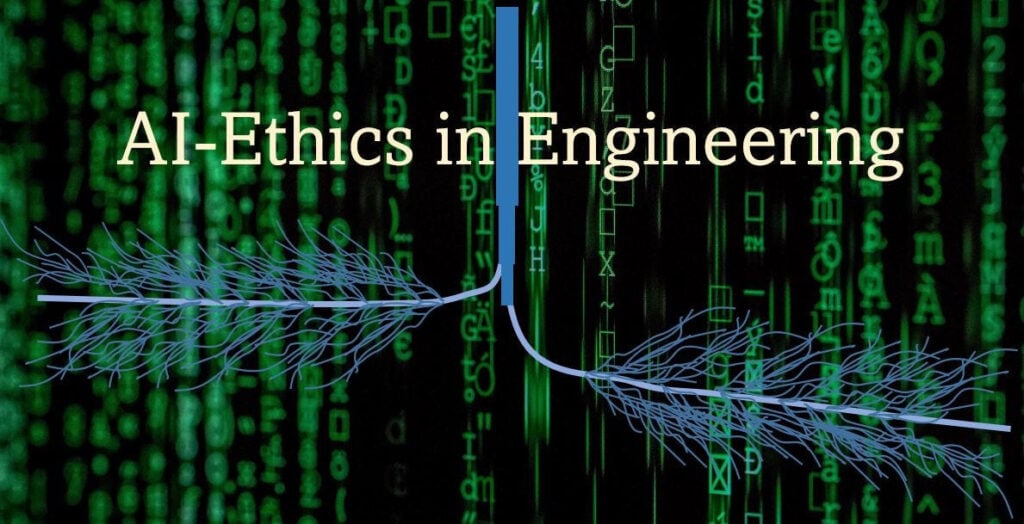
These Engineers ensure ethical AI is integrated within regulations and through collaboration with legal teams and AI developers, maintain ethical standards throughout the AI lifecycle.
These Engineers work to eliminate inequality and safeguard privacy. They work to ensure ethical and socially acceptable AI outputs with clear and understandable rationale.
AI Ethics Engineer – Details
| Feature | Details |
|---|---|
| Core Focus | Ethical use of AI systems |
| Key Work | Bias detection, fairness audits, ethical framework design |
| Skills Needed | AI ethics, sociology, data analysis, policy understanding |
| Main Goal | Ensure fairness, transparency, and accountability |
| Industry Use | Social media, hiring systems, public AI tools |
| Tools Used | Fairness testing tools, auditing frameworks |
| Output | Ethically aligned AI systems |
3. AI Risk Analyst
An AI Risk Analyst’s job is to understand the risks of implementing AI in the outside world. They look into The behavioral patterns of models, data weaknesses, and risks to AI operations that may cause threats to safety, finances, or the law.
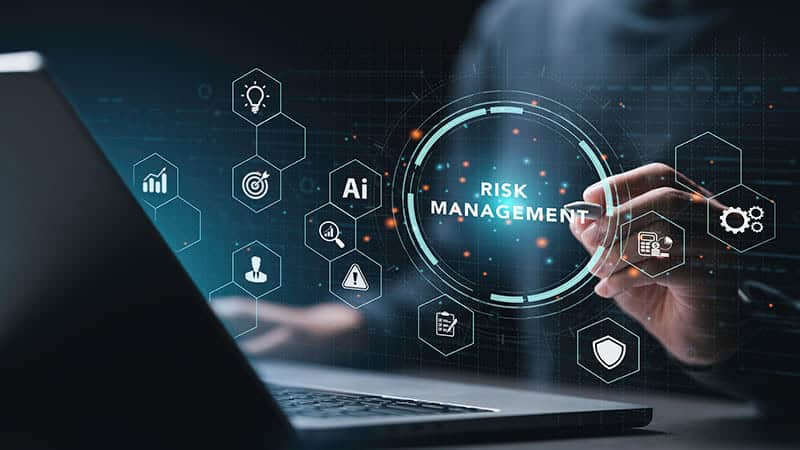
Due to rapid growth of the AI industry, jobs tagged AI Safety Engineer Jobs- AI Risk Analyst are plentiful in finance, healthcare, and enterprise sectors as well. They rely on risk modeling, scenario analysis, and stress testing to expose vulnerabilities and failures in AI Systems.
In addition, they generate failure reduction insights and support the safe deployment of AI Services. They ensure compliance to regulations and help preserve the stability of the organization and the AI Services offered.
AI Risk Analyst – Details
| Feature | Details |
|---|---|
| Core Focus | Identifying risks in AI systems |
| Key Work | Risk modeling, scenario testing, impact analysis |
| Skills Needed | Statistics, ML understanding, risk management |
| Main Goal | Minimize financial, technical, and operational risks |
| Industry Use | Banking, insurance, enterprise AI |
| Tools Used | Simulation tools, analytics platforms |
| Output | Risk reports and mitigation strategies |
4. AI Compliance Officer
AI Compliance Officers verify that AI Solutions are constructed and implemented in a way that complies with the law and that the company adheres to its own policies. They ensure that the AI Services under development comply with the law and respect the rights of individuals to have their data protected.
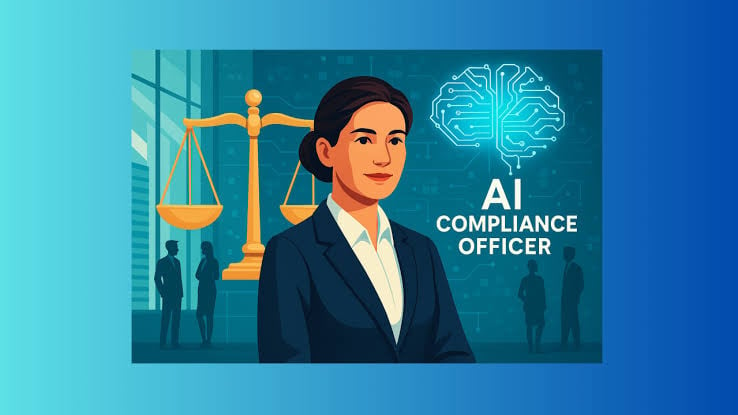
Of the numerous jobs available under the label of AI Safety Engineer Jobs- AI Compliance Officer Services, this is the most critical. Without holding this role, a company risks losing its good reputation and possibly its legal right to operate.
AI Compliance Officers perform audits, offer documentation, and collaborate with the legal and IT teams. They ensure that the AI System in use is compliant with the law and that the AI Services offered by the company are governed by compliance. They carry out these duties mostly in the banking, insurance, and health services sectors.
AI Compliance Officer – Details
| Feature | Details |
|---|---|
| Core Focus | Legal and regulatory compliance in AI systems |
| Key Work | Auditing, documentation, policy enforcement |
| Skills Needed | Law, data privacy regulations, AI governance |
| Main Goal | Ensure AI follows laws and regulations |
| Industry Use | Healthcare, finance, government systems |
| Tools Used | Compliance tracking tools, audit systems |
| Output | Compliant and legally safe AI systems |
5. AI Safety Researcher
Long-term risks and challenges associated with advanced systems are studied by AI safety researchers. Some issues include AI alignment, robustness, interpretability, and the prevention of anomalous behaviors. In academia and industry, AI Safety Engineer Jobs- AI Safety Researcher help shape the safe superintelligence future.
They actively participate in AI safety by authoring publications, creating experimental designs, and engaging in other related activities. Their work is cited in influential research, and AI safety discussions help shape the field and influence research policy. They work to ensure future AI systems uphold human values and global safety.
AI Safety Researcher – Details
| Feature | Details |
|---|---|
| Core Focus | Theoretical AI safety research |
| Key Work | Studying AI alignment, publishing research papers |
| Skills Needed | Advanced ML, mathematics, research methodology |
| Main Goal | Solve long-term AI safety challenges |
| Industry Use | Research labs, universities, AI institutes |
| Tools Used | Research frameworks, simulation environments |
| Output | Scientific papers and safety frameworks |
6. AI Security Engineer
AI Security Engineers defend artificial intelligence systems from various attacks, including adversarial attacks and breaches of safety and integrity. They create security designs and protective mechanisms, and employ countermeasure techniques. AI Safety Engineer Jobs- AI Security Engineer are utilized in security focused workplaces to protect safety-critical AI systems.

AI Security Engineers create defensive ML models that cannot be attacked or adversarially manipulated. They create protective countermeasures for interfaces, computing, and safety-critical data, and they work with safety teams to enhance and protect the safety of AI systems while maintaining safety and trust of users.
AI Security Engineer – Details
| Feature | Details |
|---|---|
| Core Focus | Protecting AI systems from cyber threats |
| Key Work | Security testing, encryption, adversarial defense |
| Skills Needed | Cybersecurity, AI systems, network security |
| Main Goal | Prevent hacking and malicious attacks |
| Industry Use | Cloud AI systems, defense, fintech |
| Tools Used | Security scanners, encryption tools |
| Output | Secure and attack-resistant AI systems |
7. AI Safety Product Manager
An AI Safety Product Manager ensures the safety and ethical implementation of AI products in the marketplace. They create the balance between the technical and business aspects of safe AI products.
The role of AI Safety Engineer Jobs- AI Safety Product Manager in a product-focused company includes establishing safety standards and product/service enhancements, determining the prioritization of safety, the mitigation of risk, and the shaping of the product/service safety roadmap.
The role also involves the organization of safety and regulatory compliance evaluations and assessments of the positive and/or negative usefulness of the AI product/service. The manager ensures the AI product/service fulfills the organization’s business objectives while satisfying safety constraints/standards and frameworks.
AI Safety Product Manager – Details
| Feature | Details |
|---|---|
| Core Focus | Safe AI product development |
| Key Work | Defining safety requirements, roadmap planning |
| Skills Needed | Product management, AI basics, communication |
| Main Goal | Balance product goals with safety standards |
| Industry Use | SaaS, AI tools, consumer apps |
| Tools Used | Product analytics, project management tools |
| Output | Safe AI-powered products |
8. AI Safety Policy Advisor
An AI Safety Policy Advisor collaborates with various stakeholders (governmental and non-governmental organizations) to create policy, regulatory, and legal frameworks to build and sustain safe AI.
The role involves analyzing emerging technologies to create laws that minimize the risks associated with AI. The function of AI Safety Engineer Jobs- AI Safety Policy Advisor is critical to the development of safe AI in the context of international consultations on the governance of AI.
Advisors work in conjunction with policymakers, researchers, and businesspersons to create regulations. They draft policy, assess the impact on society, and work to foster collaborative initiatives that safeguard the ethical advancement of AI.
AI Safety Policy Advisor – Details
| Feature | Details |
|---|---|
| Core Focus | AI governance and public policy |
| Key Work | Drafting AI regulations, advising governments |
| Skills Needed | Policy analysis, law, AI understanding |
| Main Goal | Create safe AI laws and guidelines |
| Industry Use | Government, NGOs, global organizations |
| Tools Used | Policy research tools, legal databases |
| Output | AI safety policies and regulations |
9. AI Safety ML Engineer
An AI Safety ML Engineer specializes in safety-driven machine learning model development and deployment. They create frameworks that identify outliers, handle bias and enhance the stability of ML systems in changing environments.
Within teams focused on technical implementation, AI Safety Engineer Jobs – AI Safety ML Engineer necessitate a blend of safety and ML engineering.
They develop tools and frameworks to monitor systems and validate pipelines while implementing safety mechanisms to safeguard the integrity of the model. The role assumes significant importance in a production setting where the AI systems need to be safe and operate accurately and consistently without inflicting negative impacts.
AI Safety ML Engineer – Details
| Feature | Details |
|---|---|
| Core Focus | Safe machine learning model development |
| Key Work | Building robust, bias-free ML models |
| Skills Needed | ML, deep learning, Python, data science |
| Main Goal | Ensure safe and reliable AI model behavior |
| Industry Use | Tech companies, AI startups |
| Tools Used | TensorFlow, PyTorch, ML pipelines |
| Output | Safe and production-ready ML models |
10. AI Safety Automation Consultant
An AI Safety Automation Consultant focuses on automating the continuous assessment and improvement of AI safety. They create systems that identify errors, biases, and safety issues in the workflow in real time.
Within the context of large-scale enterprise AI, AI Safety Engineer Jobs – AI Safety Automation Consultant are essential to efficiently manage the safe operation of AI at scale.
They create and connect systems for automated safety check, compliance, and performance review. Their role is crucial to systematically lessen the demands for human oversight while maintaining AI safety and ethics in large-scale, adaptive AI operations.
AI Safety Automation Consultant – Details
| Feature | Details |
|---|---|
| Core Focus | Automating AI safety processes |
| Key Work | Building monitoring and safety automation systems |
| Skills Needed | Automation tools, AI systems, DevOps |
| Main Goal | Continuous AI safety monitoring at scale |
| Industry Use | Large enterprises, cloud AI platforms |
| Tools Used | CI/CD pipelines, monitoring tools |
| Output | Automated AI safety workflows and alerts |
Challenges in AI Safety Engineering
Speed of AI Progress: Rapidly developing AI systems create new dangers over which we have little control and slow our ability to introduce new safety mitigations.
No Standard Safety Regulations: In the absence of a unified set of safety regulations, companies implement safety measures in an inconsistent manner.
Occult Model Behavior: Even the latest generation of deep learning models can be inscrutable, producing results in ways which are difficult to explain.
Bias and Inequity Problems: Maintaining equity and a lack of bias in AI systems across diverse datasets and user groups is a continuing problem.
Threats, Attacks, and Security Problems: Adversarial attacks on the input of an AI system can easily cause systems to behave in an unsafe manner.
Compromising Safety for Progress: Increased pressure to deploy AI systems can compromise the safety testing process.
Quality of Data and Safety Issues: Using data of poor quality and/or that the user should reasonably expect to be kept private can produce unsafe and/or illicit outputs.
Conclusion
AI Safety Engineers build the most wanted skills in the evolving AI ecosystem. As AI augments its reach in high-stake systems, establishing an AI system’s safety and reliability and ensuring its benefits and fairness become highly critical. AI Safety Engineers prevent adverse and harmful systems and construct beneficial and reliable AI systems. These combined skill sets create a highly critical role.
The risk and safety management of AI systems and the ethics of AI and compliance construct and direct Responsible AI in its development. The demand for AI systems safety and compliance, and Responsible AI development will continue due to the unexpected pace of AI and the global regulations targeting it. This will create a demand for a robust and fulfilling career for all those interested in forging a technology that has a long meaningful impact on the world.
FAQ
What does an AI Safety Engineer do?
An AI Safety Engineer ensures that artificial intelligence systems are secure, ethical, and reliable. They test AI models for risks, bias, failures, and unintended behavior, and build safeguards to prevent harmful outcomes in real-world applications.
What skills are required for AI Safety Engineer jobs?
Key skills include machine learning, Python programming, data analysis, risk assessment, AI ethics, cybersecurity basics, and strong problem-solving abilities. Communication and understanding of regulations are also important.
What is the salary of an AI Safety Engineer?
Salaries vary by experience and company. Entry-level roles may start with moderate packages, while experienced AI safety professionals in top companies can earn very high salaries, especially in global tech firms and research labs.
Which companies hire AI Safety Engineers?
Top employers include OpenAI, Google DeepMind, Anthropic, Microsoft, Meta AI, Amazon AI, and various AI safety research organizations and startups.
Is AI Safety Engineering a good career?
Yes, it is a highly promising career due to increasing AI adoption and rising concerns about AI risks. It offers strong growth potential, high salaries, and meaningful impact on society.