

In this article, I will discuss the Best AI Agents for Vendor Contract Review, highlighting tools that help businesses analyze supplier agreements, identify contractual risks, detect missing clauses, and automate legal workflows. We’ll look at their AI capabilities, how they match company policy, their vendor-specific risk analysis, redlining capabilities, integrations, pricing and human approval controls to help companies make the right choice.
Key Points
| AI Agent / Platform | Best For | Key Vendor Contract Review Capabilities |
|---|---|---|
| Spellbook | Legal teams working in Microsoft Word | AI-powered contract review, clause analysis, risk detection, and redlining directly within Word. |
| Ironclad AI | Enterprise procurement and legal workflows | Reviews vendor agreements, flags non-standard clauses, and automates approval workflows. |
| Luminance | Enterprise contract analysis | Uses AI to identify risks, anomalies, and deviations in supplier and vendor contracts. |
| LinkSquares AI | Contract lifecycle management | Extracts key vendor terms, monitors obligations, and reviews contract risks. |
| Icertis Contract Intelligence | Large enterprise procurement | AI-powered contract intelligence, supplier agreement management, and compliance review. |
| Kira Systems (Litera) | Due diligence and contract extraction | Identifies clauses, extracts provisions, and analyzes large vendor contract portfolios. |
| LawGeex | Automated contract review | Compares vendor contracts against predefined legal playbooks and policies. |
| DocJuris | Procurement and negotiation teams | AI-assisted contract review, redlining, and vendor negotiation support. |
| Robin AI | In-house legal departments | Reviews commercial contracts, highlights risk areas, and suggests revisions. |
| Leah (formerly ContractPodAi) | End-to-end contract management | AI contract review, obligation tracking, and supplier contract governance. |
1. Spellbook
Spellbook assists legal teams with reviewing vendor agreements, finding unusual clauses, and suggesting contract changes directly in Microsoft Word. The AI-powered review capabilities compare contract language against company standards and legal playbooks, supporting Company Policy Matching across supplier MSAs, SaaS agreements and other commercial contracts.
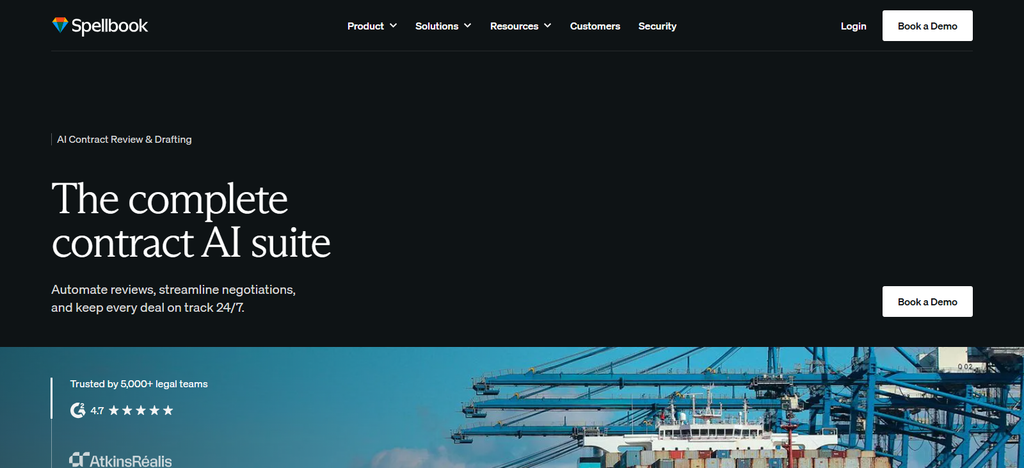
For Vendor-Specific Risk Analysis , Teams can review liability, indemnification, confidentiality and non-standard provisions. Human Approval Control remains important because suggested redlines are reviewed by legal professionals before acceptance.
Spellbook works with Microsoft Word, Google Docs, Google Drive, OneDrive and Slack. Businesses need to contact the provider for quote-based pricing for subscription and enterprise implementation.
Features
- AI to review contracts and analyze clauses.
- Automated redlining and alternative clause recommendations.
- Checking legal playbooks against company policy.
- Drafting and editing contracts in MS-Word.
- Identification of unusual clauses and risky clauses in contracts.
Advantages
- Works directly with Microsoft Word.
- Makes repetitive contract review tasks easier.
- Helps to keep legal writing consistent.
- Offers AI-powered clause recommendations.
- Valuable for in-house legal departments and law firms.
Cons
- AI suggestions are subject to human verification.
- Smaller teams may find pricing to be expensive.
- Additional configuration may be needed for advanced capabilities.
- Dependent on document quality and context.
- Not a substitute for professional legal approval.
2. Ironclad AI
With Ironclad AI’s Contract Review Agent capabilities, legal and procurement teams are able to review vendor agreements, create redlines and uncover contractual risks. Its Company Policy Matching uses approved AI Playbooks, contract templates and prior agreements to compare supplier terms against organizational requirements.
Vendor-Specific Risk Analysis – Identifies problematic clauses, missing protections and deviations that may impact liability, payment obligations or termination rights.
Human Approval Control Lets reviewers evaluate suggestions, accept or reject proposed changes, and maintain control. Ironclad integrates with Microsoft Word and enterprise workflows. Pricing varies based on subscription needs, platform configuration, and AI usage.
Features
- Contract review and analysis by AI.
- Automated contract redlining and suggestions for clauses.
- AI Playbooks for consistent contract review.
- Workflow automation and contract approval.
- Centralized contract life cycle management.
Advantages
- Allows for structured workflows for legal approval.• Helps to identify non-standard contract language.
- Fosters collaboration between procurement and legal teams.
- Visibility of centralized contract.
- Great for enterprise contract management.
Cons
- Prices are typically customized.
- Planning may be necessary for enterprise implementation.
- May require configuration for advanced workflows.
- Might be overkill for smaller companies.Human supervision is still required in legal decisions.
3. Luminance
Luminance is an AI-powered contract intelligence platform for organizations managing large volumes of vendor agreements and commercial documents. Its Company Policy Matching features apply legal playbooks and review criteria to third-party contracts, helping teams identify missing protections and unusual contract language. It examines liability, indemnification, termination provisions, data protection obligations and other commercial risks in its Vendor-Specific Risk Analysis.
Its Lumi AI assistant can also generate first-pass markups in the platform. Human Approval Control enables legal professionals to review proposed changes and manage complex negotiations. Luminance supports enterprise document workflows and integrations, and pricing is typically tailored to organizational needs.
Features
- Contract review and document analysis powered by AI.
- Automatic detection of unusual clauses.
- Review contracts based on legal playbooks.
- AI-powered contract markup and negotiation.
- Analysis of large amount of documents and risk identification.
Advantages
- Manages complex collections of contracts.
- Aids in identifying missing contractual protections.
- Assists in faster analysis of legal documents.
- Helpful for corporate legal departments.
- Offers granular contract intelligence.
Cons
- Technical planning may be needed for implementation.
- Pricing is usually provided by quotations.
- Legal expertise is still needed for complex reviews.
- Training and onboarding takes time.
- Advanced capabilities might not be necessary for small teams.
4. LinkSquares AI
LinkSquares AI helps in-house legal teams review, analyze, organize and manage contracts throughout the life cycle. Its Company Policy Matching approach provides consistent review of contracts against organizational standards, approved language and established workflows. Vendor-Specific Risk Analysis Teams can review non-standard clauses, contractual obligations, renewal terms, payment provisions and potential compliance concerns.
The AI Legal Assistant aids with drafting, reviewing and analyzing contracts, while contract intelligence helps users understand existing agreements. Human Approval Control enables legal professionals to review recommendations before final decisions are made. LinkSquares provides contract automation and integrations with business systems. The price is adapted to the platform modules and the needs of the company.
Features
- AI-driven contract analysis and search.
- Automated extraction of contract data.
- Monitoring of contract obligations and renewals.
- AI for Legal Document Review.
- Centralized management of contract life cycle.
Advantages
- Enhances contract organization and visibility.
- Helps identify key contract provisions.
- Helps legal teams work together.- It is easier to get information on contracts.
- Helpful in administering increasing volumes of contracts.
Cons
- Additional modules may be required for advanced features.
- Pricing is generally tailored.
- The initial contract migration may take some time.
- Might need configuration for complex workflows.
- Findings generated by AI require validation by a human.
5. Icertis Contract Intelligence
Icertis Contract Intelligence uses AI-powered contract intelligence to help large enterprises manage supplier agreements, procurement contracts and complex commercial relations. Its Company Policy Matching capabilities link contract requirements to organizational rules, approved business terms and enterprise compliance standards.
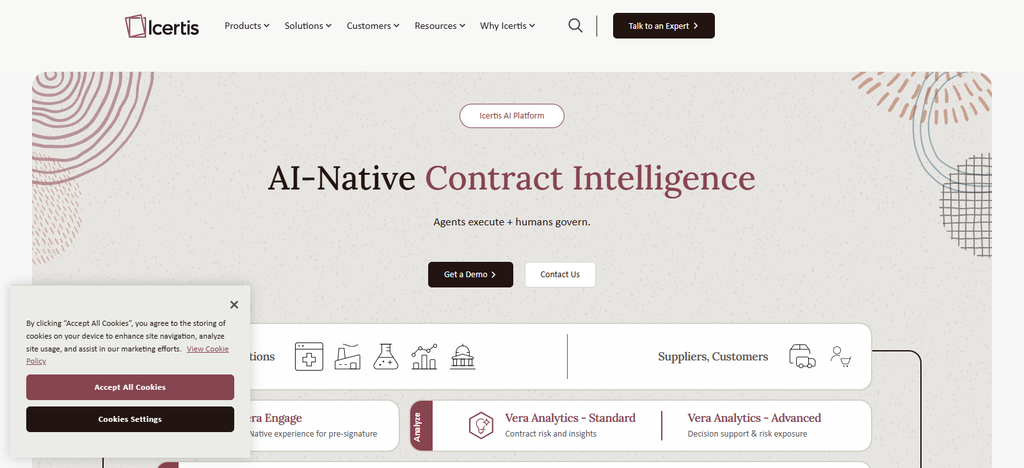
Vendor-Specific Risk Analysis enables teams to look at supplier obligations, financial exposure, regulatory requirements, renewal conditions and deviations from contract terms. Its Vera AI capabilities allow for contract analysis, risk insights and workflow execution.
Human Approval Control enables authorized professionals to monitor agent activity, review recommendations and control approval workflows. Icertis integrates with Microsoft, SAP, Salesforce and Workday. Pricing is enterprise-focused and available via custom quotes.
Features
- Enterprise contract intelligence powered by AI.-
- Analysis of supplier agreement. Automatic.
- Compliance with contracts and management of obligations.
- Centralized legal and procurement process.
- – AI for contract risk detection.
Advantages
- Good for large enterprise environments.
- Supports complex supplier relationships.- Helps to standardize contract processes.
- Has a lot of enterprise integration options.
- Improves transparency of contractual requirements.
Cons
- The implementation can be complex.
- It may be sold at a premium for smaller companies.
- Configuration required for enterprise workflows.Training of employees may be required.
Advanced deployment may require technical resources.
6. Kira Systems (Litera)
Litera acquires Kira Systems, providing AI contract analysis for legal professionals dealing with complex contracts and high volumes of documents.
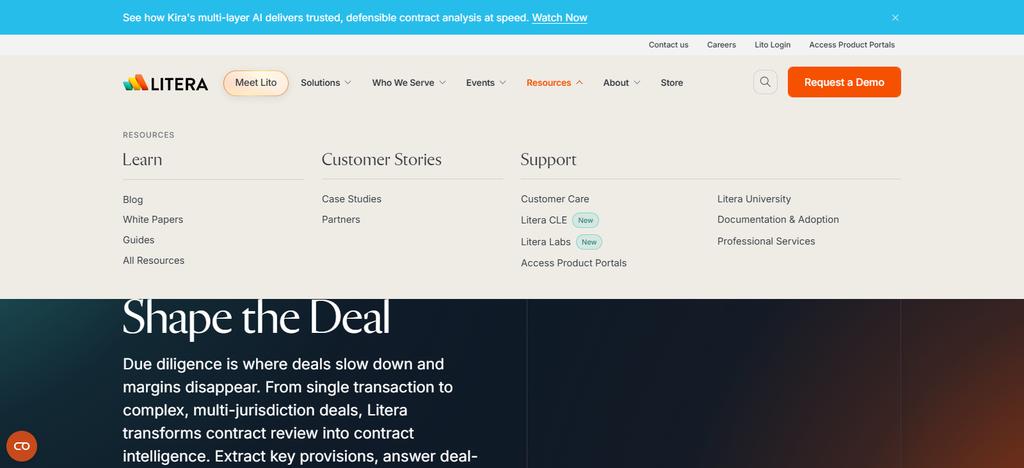
Its Company Policy Matching can be enhanced with custom extraction fields, review criteria, and legal standards to assist teams in identifying provisions that require further attention. For vendor-specific risk analysis, Kira can extract liability clauses, termination rights, indemnification language and obligations from multiple contracts and analyze them.
It links findings back to the documents they came from using its AI. Human Approval Control enables reviewers to validate the extracted information and to rate important findings. Integrations include Microsoft 365, Litera Transact, HighQ and Intralinks. Custom price.
Features
- Comparison of documents and contracts.
- AI-powered contractual clause extraction
Automatic identification of key provisions. - Customizable criteria for contract review.
- – Document-level references for findings extracted.
Advantages
- Useful for in-depth legal due diligence.
- Helps you analyze large collections of documents.
- Reduces repetitive manual extractions.
- Offers tailored review requirements.
- Offers traceability back to the original contract language.
Cons
- validation by reviewer of extracted information.
- Pricing is usually customized.
- Advanced configuration may require expert.• Contract analysis and extraction are the main focus.
- May require additional tools for full approval workflows.
7. LawGeex
LawGeex is an automated contract review and policy-based redlining tool that enables legal teams to validate agreements against pre-defined organizational requirements. Its Company Policy Matching uses digital legal playbooks containing approved positions, risk thresholds, and negotiation guidelines to flag unacceptable or missing clauses.
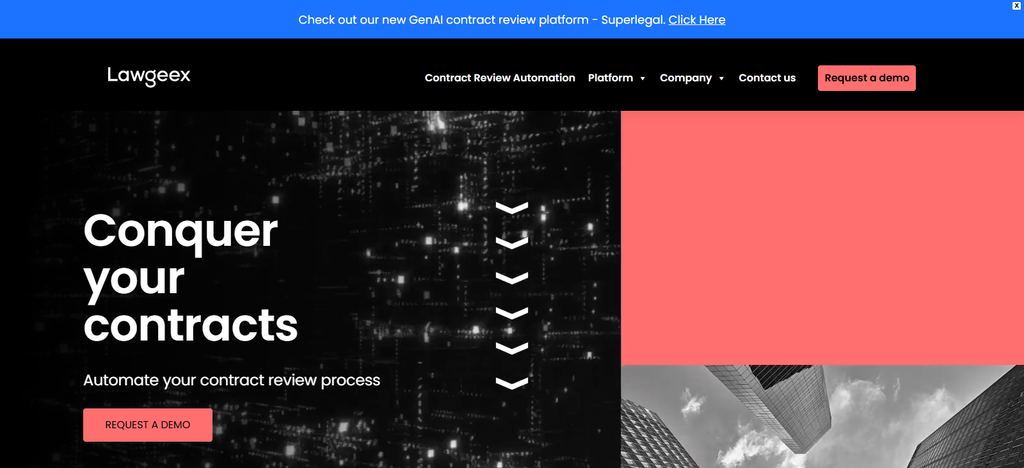
For vendor-specific risk analysis, the platform reviews the contract language, flags deviations, and suggests alternative language for problematic provisions. The automated redlining capabilities can minimize repetitive manual reviews.
Legal professionals still need to assess suggested changes and approve negotiation positions, so Human Approval Control is still required. LawGeex provides contract automation and analytics. Availability, pricing and integration must be confirmed with a bespoke provider quotation.
Features
- Automated contract review using AI.
- Comparing pre-defined legal playbooks.
- Automatic clause detection and analysis.
- Policy of contract redlining.
- Consistent contract review processes.
Advantages
- It helps to standardize repetitive reviewing.
- Supports consistent legal negotiating positions.
- Identifies deviations from approved wording.
- Reduces need for manual contract screening.
- Useful for high volume reviews of agreements.
Cons
- The effectiveness of your playbook depends on its quality.
- Lawyer involvement needed in complex agreements.
- Initial setup may be required for customization.
- Pricing and availability to be confirmed with vendor.
- Not intended to replace a final legal judgment.
8. DocJuris
DocJuris leverages AI-powered screening, negotiation heatmaps, and automated redlining to assist legal, procurement, and business teams in reviewing vendor contracts. Its Company Policy Matching uses legal playbooks, approved clauses and clause libraries to compare incoming agreements to internal standards.
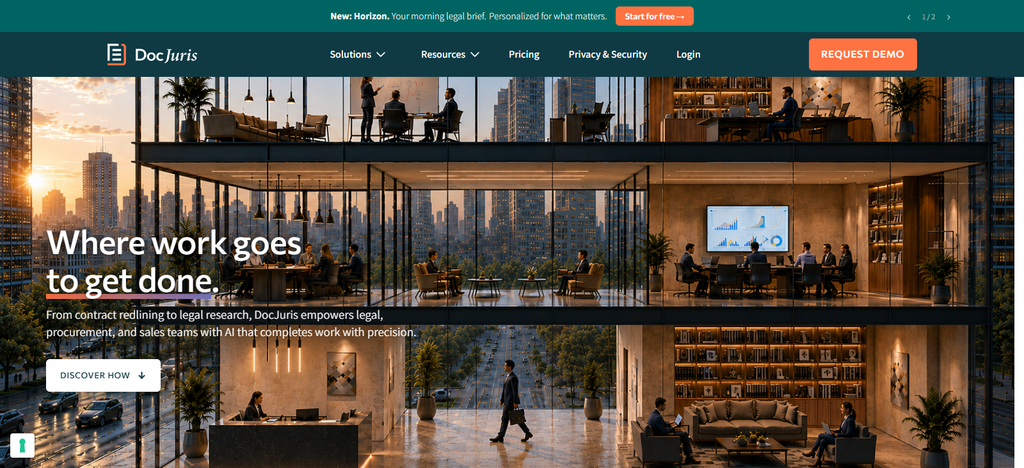
Vendor Specific Risk Analysis: Identifies problematic provisions, missing contractual protections, and deviations regarding a liability, indemnification, payment terms, termination rights. The platform also provides contract drafting and collaborative negotiations.
Human Approval Control allows legal reviewers to review proposed markups prior to sending revised agreements. DocJuris integrates with enterprise-wide systems including ERP, finance, HR and CRM. Pricing is customized based on platform subscriptions or implementation-driven options.
Features
- AI-powered contract review & redlining.
- Playbook and clause library management.
- Automation of discovery of contract deviations.
- Heat maps for negotiation and collaboration tools
- Processes of drafting and revising contracts.
Advantages
- Assists procurement teams in reviewing vendor terms.
- Supports a consistent approach to negotiations.- Facilitates contract redlining.
- Closer cooperation of legal and business teams.
- Recognizes problematic contract clauses.
Cons
- Advanced workflows may need to be configured.
- Prices may vary depending on business requirements.
- Legal expertise is still needed for complex negotiations.- Evaluate integration needs before adoption.
- AI recommendations should be human reviewed.
9. Robin AI
Robin AI offers contract review and legal intelligence features that enable businesses to analyze agreements, understand contractual obligations, and identify potential risks. Its Company Policy Matching can use negotiated precedents and existing contract language to help ensure consistent review decisions.
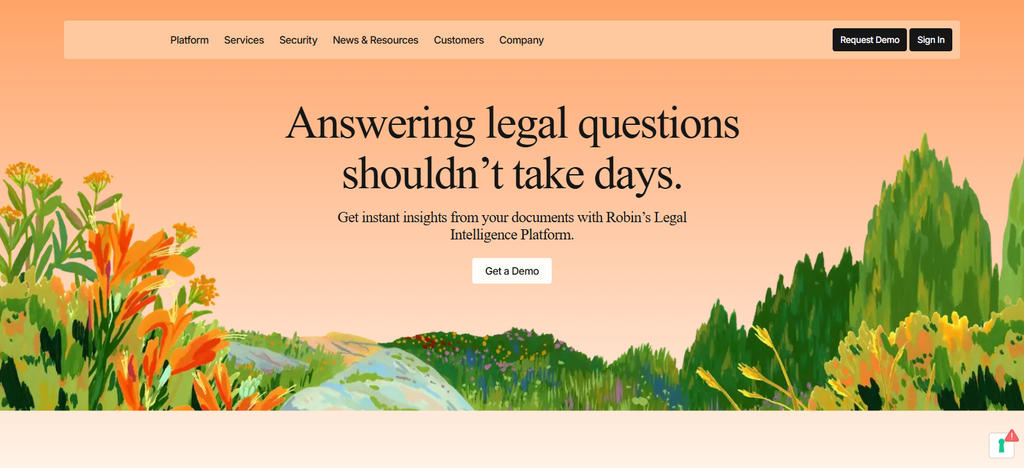
Vendor-Specific Risk Analysis Teams can assess liability clauses, termination clauses, compliance requirements, and differences between related agreements. The AI provides contract redlining, document searches and answers with references to the underlying contract text.
Human Approval Control enables legal professionals to validate findings and make final negotiation decisions. Robin AI includes document import and integrations with business systems. Pricing is generally a custom commercial quote.
Features
- AI-driven contract analysis
Identification and review of clauses are automated. - Contract help, drafting and redlining.
- Searches of contracts in natural language.
- Contract intelligence and document management.
Advantages
- Helps you find contract information.
- Assists in identifying key contractual obligations.
— supports AI assisted document review. - Reduces repetitive legal research work.- Useful for in-house legal teams.
Cons
- Legal review of complex contract decisions.
- Price on request.
- AI results are dependent on context.
- Check that the integration is in place.
- May require onboarding for advanced workflows.
10. Leah (formerly ContractPodAi)
Leah (formerly ContractPodAi) is an agentic AI platform for contract lifecycle management, legal operations and procurement workflows. Its Company Policy Matching capabilities let companies apply approved contract standards, negotiation rules and internal playbooks to vendor agreements.
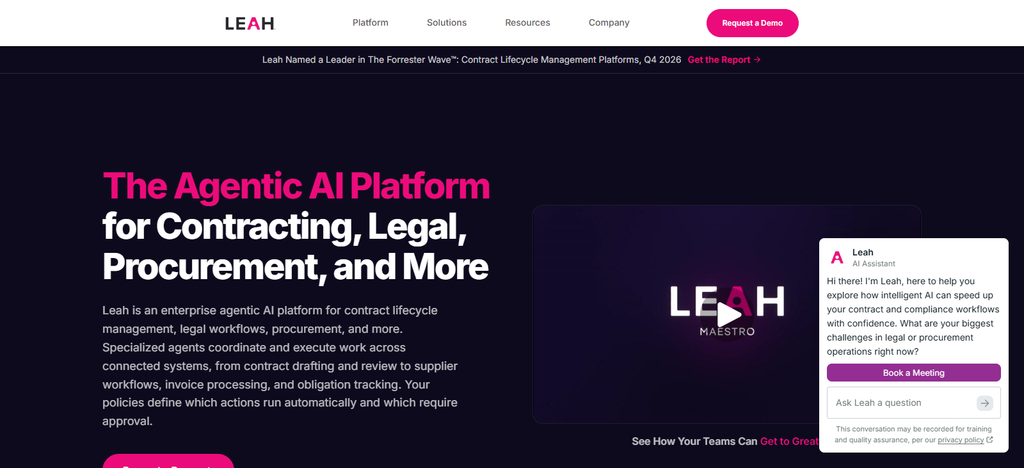
For Vendor Specific Risk Analysis, companies can review supplier obligations, liability exposures, data protection requirements, renewal terms and contractual compliance issues. Its AI agents enable contract analysis and document workflows and procurement-related processes.
Human Approval Control allows authorized legal and business professionals to monitor automated activities and control key approval decisions. Leah supports existing ContractPodAi workflows and enterprise integrations. The price is tailored to the modules, implementation and needs of the enterprise.
Features
- Agency-enabled AI-powered contract lifecycle management.
- Automate contract review and analysis.
- Automating approval and legal workflows.
- Management of contract risk and obligations.
- Assistance with enterprise legal operations.
Advantages
- Supports the whole contract lifecycle management.
- Automates repetitive legal processes.-
- Enhances visibility of contracts across departments.
- Supports enterprise purchasing procedures.-
- Combines AI assistance and workflow management.
Cons
- Pricing is generally custom.
- Enterprise implementation may take time.
- You may require technical support to configure advanced settings.
- Not all features may be necessary for small businesses.
- Important legal decisions still require human approval.
Conclusion
AI Agents Are Changing the Way Businesses Review Agreements Before Legal Approval: Vendor Contract Review Organizations can use platforms like Spellbook, Ironclad AI, Luminance, LinkSquares AI and Icertis to identify contractual risks, compare contract clauses against company policies, automate redlining and manage approval workflows.
When choosing the right solution, businesses should consider vendor-specific risk analysis, human approval controls, security, integrations and pricing.
The choice of platform depends on the complexity of the contract, the procurement requirements and the capacity of the legal team. This marriage of AI automation and professional legal oversight enables organizations to increase the efficiency of their review, ensure they remain compliant and make better decisions on vendor contracts.
FAQ
What Are AI Agents for Vendor Contract Review?
AI agents for vendor contract review are software tools that analyze supplier agreements, identify risky clauses, detect missing provisions, compare terms with company policies, and assist legal teams before contract approval.
How Do AI Agents Review Vendor Contracts?
AI agents examine contract documents, extract important clauses, compare provisions against legal playbooks, identify unusual terms, suggest revisions, and flag potential risks for human review.
What Vendor Contract Risks Can AI Agents Identify?
They can help identify unlimited liability, unfavorable indemnification, automatic renewals, weak termination rights, missing data protection clauses, unclear payment terms, and inadequate service-level agreements.
Can AI Agents Replace Lawyers in Vendor Contract Review?
No. AI agents assist with document analysis, risk detection, and suggested revisions, but qualified legal professionals should review complex provisions and provide final legal approval.