


I will outline The New Demands for Multimodal Voice-Video Platforms and innovations shaping digital communication in this article. During the production stage and user interaction, real-time integration of voice and video with AI tools for translation, sentiment analysis, and enhanced security will provide the user with low latency and a better experience.
The communication tools of the future will be smarter and richer. The understanding of these emerging needs will help developers and businesses attract their target clients.
What is Multimodal Voice-Video Platforms?
Multimodal voice-video platforms integrate almost every means of communication: voice, video, text, gestures, and AI contextual data. Unlike most communication platforms that utilize one or two forms of inputs, these advanced systems process multiple data streams at once to create intelligent, user-friendly experiences.
Integrating AI, machine learning, and real-time analytics and cloud computing, these systems create communication that performs nuanced analyses automatically, such as transcription and translation, augmented with sentiment analyses and more.
With the rise of digital means of engagement in the workplace, education, and other areas of commerce, multimodal voice-video systems are becoming a mainstay of the modern system of communication.
Benefits of Multimodal Platforms
Natural Interaction – Fuses voice, video, text and other elements for more engaging, natural interaction.
Fewer Miscommunications – Using varied forms of communication reduces errors in understanding.
Collaboration Without Boundaries – Teaming up across distances is possible.
Time Economy – Repetitive task automation and features like transcription, translation, and meeting summaries enhance efficiency.
Connecting the World – Translations occurring in the moment make international conversations possible.
Making Decisions with Confidence – Voice, video, and contextual data provide insights that strengthen meetings.
Personalized Experiences – Businesses can design engaging interactions for customers.
Communication in any Location – Communication and collaboration are possible in flexible and distant workplaces.
Useful Insights – Advanced, multimodal AI can evaluate user behavior and conversation data to provide information about the business.
Universal Design – Speech-to-text, transcription, and translation services create features that accommodate all users.
Support Sustainability – A cloud focus allows easy scaling with supporting infrastructure and growing user bases.
Safeguarding Data – Encrypted and authenticated controls sustain competitive data while ensuring regulatory protections.
Accelerated Information Dissemination – AI,cheduled meetings, and searchable meeting transcripts enhance access to information.
More Human Communication – Various communication techniques combine to better replicate verbal communication.
Future-Ready Technology Foundation – Investment in innovations like AI assistants and AR/VR, and intelligent automation.
Challenges & Limitations
Expensive Infrastructure – The cost of deploying and maintaining advanced AI processing combined with cloud resources and high-performance hardware can be very high.
Integrated Systems Development Difficulty – Creating a platform that integrates voice, video, text, and AI services can be very difficult and requires advanced specialized skills.
Data Privacy Issues – The collection and processing of several different types of user data can lead to more privacy concerns and create additional regulatory issues.
Data Breach and Attack Liability – Voice and video platforms create opportunities for attacks, data breaches, and unauthorized access.
High Bandwidth Availability – Multimodal communications that happen in real-time may require a stable and high-speed connection to the Internet.
Processing Time Constraints – The length of time required to process voice, video, or AI outputs may adversely affect the user experience.
AI Limitations and Inaccuracies – There may be inaccuracies associated with the functioning of AI in transcription, translation, sentiment analysis, and speech recognition.
Language and Accent Limitations – Other languages, regional dialects, and accents use may be difficult or even impossible for most AI models to recognize.
Difficult Scalability – Many users accessing the platform at the same time may be difficult to support with the platform.
Difficult Regulation Compliance – Compliance with all of the varied data protection and privacy laws is very difficult for a platform that serves multiple countries.
Integration Issues – Unintegrated devices, operating systems, and communications tools create problems for users.
Large Data Needs – Storing and analyzing voice and video data creates large data needs and challenges.
Trust and Understanding Issues – Some users may be reluctant to use the platform because the AI tools have low explainability and trust.
Possible AI Bias – Bias may appear through speech recognition, sentiment analysis, and decision-making with AI models.
Continuous Updates and Maintenance – Fast-paced changes in technology make it imperative to improve AI models and regularly update and secure platforms.
Key Point & New Demands for Multimodal Voice-Video Platforms
| ???? Key Point | ???? Description |
|---|---|
| Real-Time Multimodal Fusion | Combines voice, video, text, and gestures into a single seamless interaction layer for natural communication. |
| AI-Driven Transcription & Translation | Automatically converts speech to text and translates languages in real time for global accessibility. |
| Zero-Trust Security Layers | Ensures strict identity verification and continuous authentication to protect sensitive communication data. |
| Multi-Agent Collaboration | Enables multiple AI agents to assist in meetings, tasks, and decision-making simultaneously. |
| Composable Platform Architectures | Modular system design allowing easy integration of new features and services without rebuilding the platform. |
| Cross-Border Compliance Controls | Ensures adherence to global data privacy laws and regional regulations like GDPR or DPDP. |
| Low-Latency Video Inference | Reduces delay in AI processing for smoother real-time video communication experiences. |
| Proof-of-Solvency Infrastructure | Builds trust by ensuring platforms can verify financial and operational transparency in real time systems. |
| Multi-Modal Sentiment Analysis | Detects emotions from voice tone, facial expressions, and text to improve interaction quality. |
| Federated Learning Readiness | Enables AI training across devices without sharing raw data, improving privacy and decentralization. |
1. Real‑Time Multimodal Fusion
Real-Time Multimodal Fusion refers to the platforms’ ability to integrate voice, video, text, gestures, and other forms of contextual data into a single unified stream of communication. As more and more communication channels become integrated, systems will fulfill the demands of users in a more efficient manner.

The New Demands for Multimodal Voice-Video Platforms advocate for less fragmentation across communication channels. This fusion dramatically improves the quality of collaboration within remote meetings, virtual classrooms, and customer interactions by making communication more human, intuitive, and context aware, regardless of the device being used.
Real-Time Multimodal Fusion Features, Pros & Cons
Features
- Voice, video, text, and gestures are fused in real-time
- AI synchs multiple streams instantly
- Interaction system is context aware
Pros
- Human like communication
- Improved understanding during meetings
- Increased efficiency in collaboration
Cons
- Significant processing costs
- Hardware and networking requirements are intensive
- System integration is complicated
2. AI‑Driven Transcription & Translation
AI-Driven Transcription & Translation is the ability to instantly transcribe spoken language into text and translate that text into multiple languages. This is especially important for communicating with people across the globe who speak different languages.

Because of the advanced AI models, the accuracy of these transcriptions and translations is improved through an understanding of the speaker’s accent and intonation.
The New Demands for Multimodal Voice-Video Platforms highlight the necessity for the ability to break language barriers in business, education, and healthcare. Multimodal platforms that integrate this functionality will allow for the efficient and effective collaboration of global users.
AI-Driven Transcription & Translation Features, Pros & Cons
Features
- Instantaneous speech-to-text
- Real-time translation to multiple languages
- Context-sensitive translation
Pros
- Language barriers are no longer an issue
- Great for international teams
- Increased accessibility
Cons
- Difficult, error-prone translation for complex speech
- Cloud processing raises privacy issues
- Requires constant connectivity
3. Zero‑Trust Security Layers
Zero-Trust Security Layers create the environment where no user, device, or system is automatically trusted on a communication platform. Security measures must be in place to authenticate and verify all users. This model of security is essential for the privacy and protection of sensitive information.

The New Demands for Multimodal Voice-Video Platforms host the necessity of ensuring privacy in all sectors, such as business, education, and healthcare. This will greatly increase user confidence and allow for the adoption of secure platforms while meeting contemporary needs in different industries across the globe.
Zero-Trust Security Layers Features, Pros & Cons
Features
- Continuous identity verification
- Device and user authentication at every step
- Communication is always encrypted
Pros
- Excellent cybersecurity
- Decreased data breach issues
- Great for enterprise systems
Cons
- Lengthened authentication times
- Complicated setup and management
- Increased costs for operations
4. Multi‑Agent Collaboration
Multi-Agent Collaboration enables the participation of multiple AI agents in meetings and even working and helping users in the process. These agents can summarize discussions, make suggestions, answer questions, and even manage work in real time during the discussions.
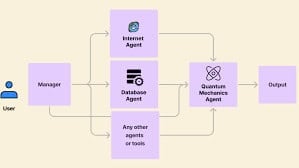
This concept is designed to enhance the productivity capabilities of standard communication models and is a great addition in workspace optimization AI assistants that foster collaboration.
Multi-agent systems streamline and promote productivity by relieving employees of tedious tasks that require the same responsibilities; and enable more effective meetings by virtually tracking the focus of discussion, keeping information organized, and prioritizing key takeaways.
Multi-Agent Collaboration Features, Pros & Cons
Features
- Real-time assistance of multiple AI agents
- Automation of tasks during a meeting
- Workflow support is smart and flexible
Pros
- Increased productivity
- Decreased human work
- Faster and smarter decisions
Cons
- Complexity of coordination among agents
- Conflict among outputs is possible
- Highly sophisticated AI models are required
5. Composable Platform Architectures
Composable Platform Architectures is a concept model for communication systems that propose an ability to modularize a communication feature. Instead of traditional rigid communication systems, developers can create systems that expose APIs and Microservices.
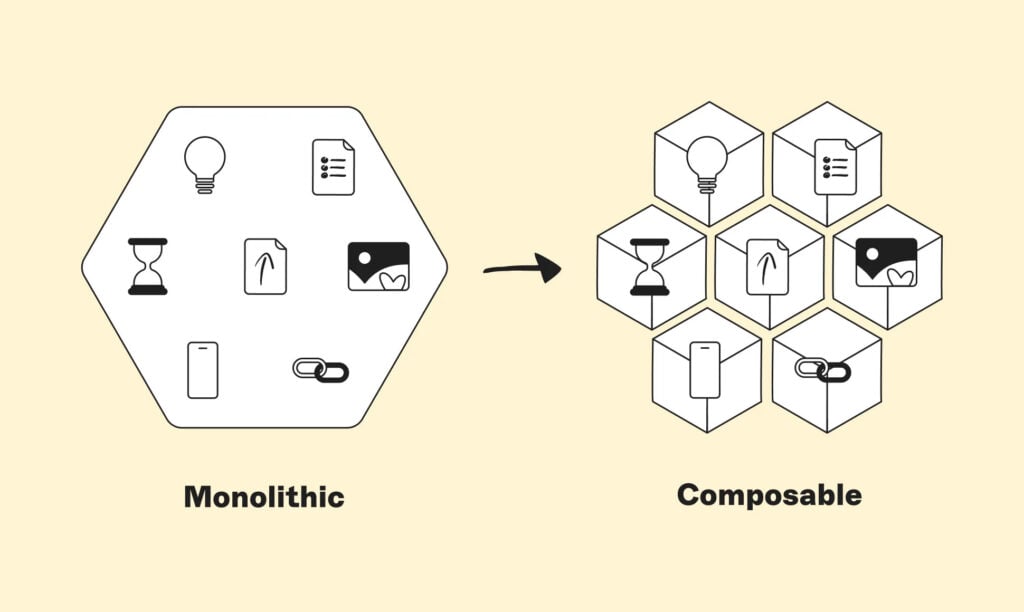
This supports a faster iteration capability and high granularity of adjustment. The New Demands for Multimodal Voice-Video Platforms promote rapid pace improvement and agile requirements for growth and scalability.
Composable systems empower companies to add AI, analytics, and communication tools to their systems without a complete redesign. Efficiency is improved, and development times are reduced. Platforms can be kept up to date with changing requirements in the digital space.
Composable Platform Architectures Features, Pros & Cons
Features
- Modular design
- API-centric integration
- Plug-in system for feature upgrades
Pros
- High adaptability
- Rapid update cycle
- Easy customization
Cons
- Needs talented developers
- Problems with integration
- Potential for fragmentation
6. Cross‑Border Compliance Controls
Cross-Border Compliance Controls make it possible for communications platforms to comply with global data privacy laws. Plus, they comply with regional laws such as the GDPR, HIPAA, and India’s DPDP Act. As users connect globally, laws in various regions will govern how data can be stored, transmitted, and processed.

The New Demands for Multimodal Voice-Video Platforms create a greater need for automation of regulatory compliance. These systems mitigate legal concerns, and comply with user data ethics. They make international collaboration possible, while allowing unrestricted communication in varying jurisdictions and various cloud systems, provided data sovereignty is maintained.
Cross-Border Compliance Controls Features, Pros & Cons
Features
- Compliance with global data regulations
- Data segmented by region
- Automated enforcement of legal requirements
Pros
- Less legal risk
- Enables international business
- Enhances user trust
Cons
- Difficult and complex regulations
- High effort for maintenance
- Slower data transactions
7. Low‑Latency Video Inference
Low-Latency Video Inference concerns the delay that the processing of video streams and the AI models that operate on them, cause for communications. This is referred to as lag. Low latency means a better user experience as conversations are virtually instantaneous.

Communicative flow is not disrupted. It also improves real-time analytics such as facial recognition, gesture tracking, and live translation. The New Demands for Multimodal Voice-Video Platforms also define the need for edge computing and AI models that are highly optimized.
Low-Latency Video Inference Features, Pros & Cons
Features
- AI processes video in real time
- Optimization for edge computing
- Immediate video responses
Pros
- Excellent premium video
- Low latency
- Real-time analytics
Cons
- Extensive infrastructure
- High bandwidth consumption
- Expensive
8. Proof‑of‑Solvency Infrastructure
Proof-of-Solvency Infrastructure encompasses systems that ensure the transparency and fiscal solvency of communications platforms, especially those that integrate with digital payments, or decentralized systems.

The financial and operational viability of platforms is verified in real time. The New Demands for Multimodal Voice-Video Platforms extend to Web3 and blockchain-based systems. Here, trust and transparency take precedence. By integrating this infrastructure, platforms reflect the stability needed to support trust and confidence of both users and businesses.
In addition, it bolsters decentralized communication services. It delivers substantiating evidence of sound financial structure thereby minimizing the risks of fraud, service interruptions, and downtime in enterprise-grade environments.
Proof-of-Solvency Infrastructure Features, Pros & Cons
Features
- Financial transparency
- Verifiable audits via blockchain
- Instant solvency verification
Pros
- User trust
- No fraud
- Better platform verification
Cons
- Complicated to implement
- Issues with blockchain dependency
- Slower validation of transactions
9. Multi‑Modal Sentiment Analysis
Multi-Modal Sentiment Analysis interprets human emotion through tone, facial expressions, and behavioral signals. The combined modalities enable platforms to better predict user sentiment and intent. AI models leverage emotional cues to optimize levels of engagement, customer support, and even corporate decisions.
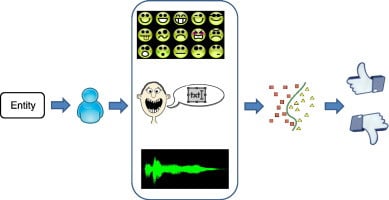
The New Demands for Multimodal Voice-Video Platforms further emphasize the growing need for emotional intelligence to business systems.
This allows firms to fine-tune their emotional responses, process customer frustration in calls, and adjust the overall user experience. It also enhances virtual cooperation by identifying emotional shifts and breakdowns in communication in the course of meetings and discussions.
Multi-Modal Sentiment Analysis Features, Pros & Cons
Features
- Emotion detection via voice, facial expressions and text
- Behavior analysis with AI
- Sentiment measured instantly
Pros
- Customer insight
- Relationship improvement
- Quality communication
Cons
- Emotional analysis lacks precision
- Concerns over privacy
- Partisan AI Frameworks
10. Federated Learning Readiness
Federated Learning Readiness offers the capability of Training AI models in a decentralized manner. In this framework, user data does not leave their devices, although the models do undergo the required updates.
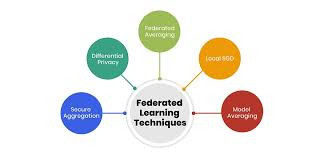
As a result, privacy, security, and compliance with the relevant user protection laws are reinforced. The New Demands for Multimodal Voice-Video Platforms translate into a considerable use of decentralized AI training. Federated Learning ensures the lawful enhancement of AI systems on the platforms.
It becomes more advantageous in sectors like healthcare, finance, and enterprise communication, as sensitive data cannot be centralized. This methodology builds more intelligent and secure private communication frameworks.
Federated Learning Readiness Features, Pros & Cons
Features
- Training AI on raw data is not required – AI training occurs without raw data
- Models are updated on the device
- ML training that protects privacy
Pros
- Models are difficult to synchronize
- Training is slower
- Requires high-tech infrastructure
Conclusion
Digital communication innovations have changed the way connections and information exchanges happen. The New Demands for Multimodal Voice- Video Platforms demonstrates the latest trends for more sophisticated, secure, and immersive communications demanding AI, real-time processing, and advanced data integration. Modern interactions rely on sophisticated technologies such as multimodal fusion, sentiment analysis, zero-trust security, and federated learning.
As virtual environments dominate interactions, the demand for advanced AI-based systems that enable real-time, secure communications across international borders will grow. These systems will provide communications, smart assistance, and integrated collaborative systems. The end result will drastically change Human-Digital-Communication interactions by integrating the most advanced and secure systems used to assess real-time context.
FAQ
What are multimodal voice-video platforms?
Multimodal voice-video platforms are advanced communication systems that combine voice, video, text, gestures, and AI-driven data processing into a single interactive environment. The New Demands for Multimodal Voice-Video Platforms are making these systems more intelligent, enabling real-time translation, sentiment detection, and seamless cross-device communication for users across the world.
Why are multimodal platforms becoming more important?
They are becoming important because remote work, global collaboration, and digital learning are increasing rapidly. Users now expect faster, smarter, and more natural communication experiences. The New Demands for Multimodal Voice-Video Platforms focus on reducing latency, improving AI accuracy, and enhancing real-time interaction quality for businesses and individuals.
How does AI improve voice-video communication?
AI improves communication by enabling real-time transcription, translation, noise cancellation, emotion detection, and meeting summarization. It makes conversations more efficient and accessible. The New Demands for Multimodal Voice-Video Platforms highlight AI as a core technology that enhances productivity and removes communication barriers across languages and devices.
What is multimodal sentiment analysis?
Multimodal sentiment analysis is the process of detecting human emotions using voice tone, facial expressions, and text inputs simultaneously. It helps platforms understand user feelings more accurately. In the New Demands for Multimodal Voice-Video Platforms, this feature is essential for improving customer experience and human-like digital interactions.
What is the future of multimodal communication platforms?
The future includes AI-native communication systems, immersive AR/VR meetings, and fully automated collaboration tools. These platforms will become more secure, adaptive, and intelligent. The New Demands for Multimodal Voice-Video Platforms indicate a shift toward human-like digital communication where AI acts as a real-time assistant and collaborator.