

This article will cover the best frameworks for multi-agent automation in content operations, including content generation, workflow management, SEO, and AI collaboration.
These frameworks utilize advanced agent technology to improve efficiency in simultaneous operations. I will outline the features, benefits, pros, cons, and scalable business applications of the technology covered, as well as use cases for modern digital teams.
What Are Multi-Agent Frameworks?
Multi-agent frameworks are systems that facilitate multi-agent coordination for task automation, problem-solving, and workflow automation. Within each system, agents perform roles that are similar to members of a collaborative virtual team, e.g., research, writing, planning, editing, coding, and analysis.
Multi-agent frameworks allow agents to interact, share knowledge, and make autonomous, time-critical decisions, thus enhancing productivity. LangChain, CrewAI, and AutoGen, are among the many frameworks that handle content operations, workflow automation, software development, and enterprise AI management.
Multi-agent frameworks optimize task management, reduce manual work, and help organizations grow by scaling operations.
Key Features to Look for in Multi-Agent Frameworks
System of Collaborative Agents: Multi-Agent Frameworks must have a provision for AI Agents to communicate for task completion.
Workflow Management: The framework should provide automated task distribution and coordination functions for multiple agents.
Retention of Context and Memory: Multi-Agent Frameworks offer the best solutions when they use contextual memory to understand and retain information to execute tasks at a later time.
Connectivity to Tools and APIs: The framework should have adaptable features to contemporary APIs, databases, CRMs, and cloud applications.
Independent Task Management: Multi-Agent Frameworks should develop AI Agents with the ability to perform task adjustments without the guidance of a human.
Agent Role Management: Multi-Agent Frameworks should be able to give specialized AI roles such as writing, research, planning, editing, and analysis.
Scale and Efficiency: The framework should support automation with multiple users and extensive workflows without compromising performance.
Human Oversight: The framework should have the ability to incorporate workflow approvals and critical feedback.
Fast Communication: The Frameworks must have the provision for the fastest communication between agents for the best collaborative task completion.
Key Point & Best Multi-Agent Frameworks for Content Operations
- LangChain – Flexible framework for building tool-using AI agents and automated workflows.
- AutoGen – Enables collaborative conversations between multiple AI agents for complex task solving.
- CrewAI – Organizes AI agents into specialized teams for content and business operations.
- MetaGPT – Simulates real-world software teams with AI roles like manager, coder, and tester.
- Camel Agents – Focuses on role-playing AI agents that cooperate through structured communication.
- ChatDev – Uses AI-driven virtual teams to automate software and content project workflows.
- Voyager – Autonomous AI agent framework designed for continuous learning and exploration tasks.
- TaskWeaver – Integrates code execution and AI planning for enterprise-level automation tasks.
- AgentVerse – Provides environments for testing and coordinating collaborative AI agents.
- SuperAGI – Open-source platform for deploying, managing, and scaling autonomous AI agents.
10 Best Multi-Agent Frameworks for Content Operations
1. LangChain Agents
LangChain Agents are used to build sophisticated AI workflows that incorporate LLMs, APIs, memory, and external tools. For example, they can help create AI-powered content pipelines for blogging and writing, SEO automation, research automation, and customer outreach.
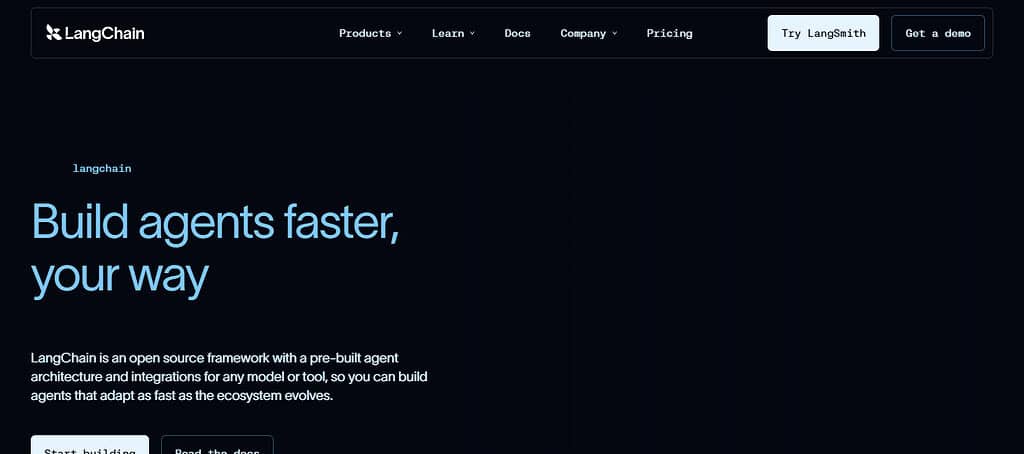
LangChain has a proprietary architecture that gives developers the ability to customize the multi-agent synergy to a particular business use case. For this reason, LangChain is often listed in the Best Multi-Agent Frameworks for Content Operations.
It incorporates tool use, document retrieval, reasoning, and workflow automation. LangChain Agents are crucial for organizations that generate large quantities of content and use AI for dynamic decision making.
LangChain Features Pros & Cons
Features
- Capable of managing multi-agent workflows
- Connects with APIs, databases, and other software tools
- Memory and reasoning capabilities
- Supports document retrieval and vector databases
- Highly customizable for enterprise-level AI automation
Pros
- Large ecosystem of developers
- Flexible architecture for custom workflows
- Excellent support for integrations
- Great for automation of content and SEO
- Scales for large enterprises
Cons
- Complexity for newcomers
- Significant coding knowledge required
- High resource consumption for large projects
- Updates can break backward compatibility
- Troubleshooting broken workflows is non-trivial
2. AutoGen (Microsoft Research)
AutoGen is a multi-agent framework created by Microsoft that enables agents to communicate and collaborate independently. Through cooperative conversational workflows, AutoGen permits collaboration on research, coding, planning, content creation, and more.
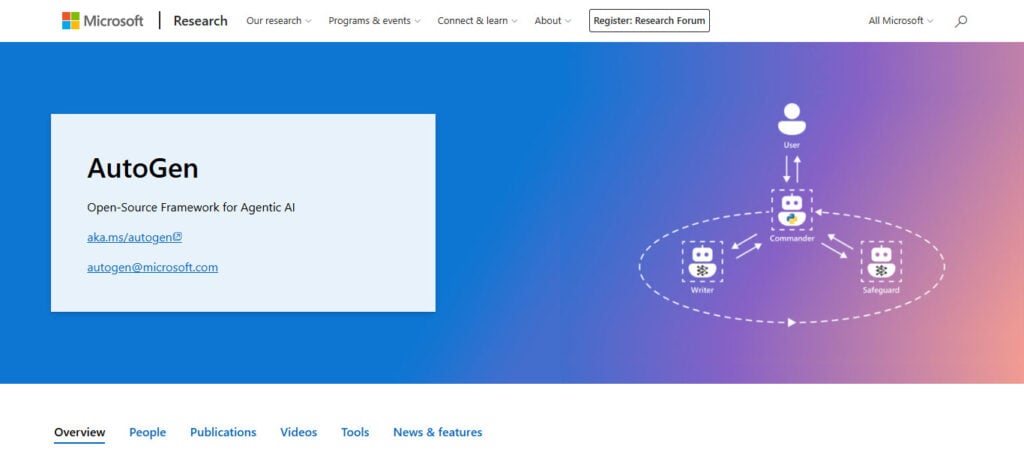
With AutoGen, developers can design AI teams that replicate human collaboration for optimal results. This framework is often included in the Best Multi-Agent Frameworks for Content Operations because of its simple task delegation and significant productivity increases due to managed AI collaboration.
AutoGen is used in businesses for automatic writing, workflow control, brainstorming, and generating knowledge, which makes it a leading solution for content automation and scalable AI systems for large enterprises.
AutoGen Features Pros & Cons
Features
- Communicating agents
- Multi-agent conversational workflows
- Human-in-the-loop support
- Automatic task delegation
- Microsoft Research
Pros
- Great for building collaboration of AI
- Strong research
- Flexible agent interaction designs
- Great for coding and planning.
- Scales automation easily
Cons
- High complexity
- Difficult prompt building
- Rare beginner tutorials
- Difficult to deploy
- High API consumption
3. CrewAI
CrewAI is a framework that organizes artificial intelligence agents into teams where each agent has a specific role. CrewAI concentrates on automating workflows, making it a flexible tool for targeting content marketing, search engine optimization operations, and even the management of business processes.
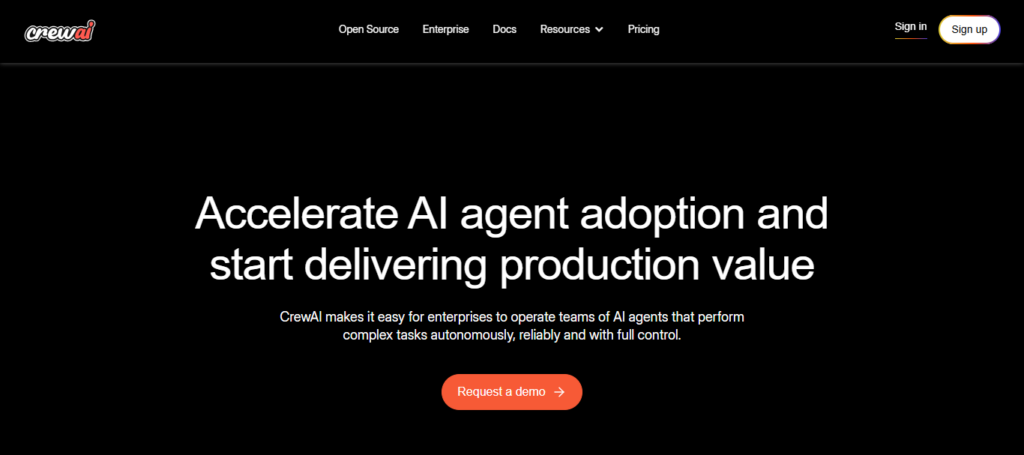
The agents on CrewAI are collaboration writers, editors, researchers, and strategists or analysts. CrewAI ranks among the Best Multi-Agent Frameworks for Content Operations on many expert lists due to its ability to improve the efficiency of operations and even task management.
Businesses can fully automate content production with CrewAI, targeting the entire production cycle from research of keywords to writing, publishing, and even optimizing articles. CrewAI is lightweight and easy to deploy in any organization due to its role-based design.
CrewAI Features Pros & Cons
Features
- Collaboration based on role assignments
- Lightweight task management
- Capable of carrying out tasks independently
- Built for productivity
- Simple task coordination
Pros
- Built for beginners
- Great for content ops
- Quick to deploy
- Great for task distribution
- Excellent for workflow management
Cons
- Smaller ecosystem of developers than LangChain
- Few advanced integrations
- Few enterprise tools
- Must be customized for scaling
4. MetaGPT
MetaGPT is a first of its kind platform that creates a full content marketing software company with professional employees, only that those employees are virtual and consist of artificial intelligence agents.
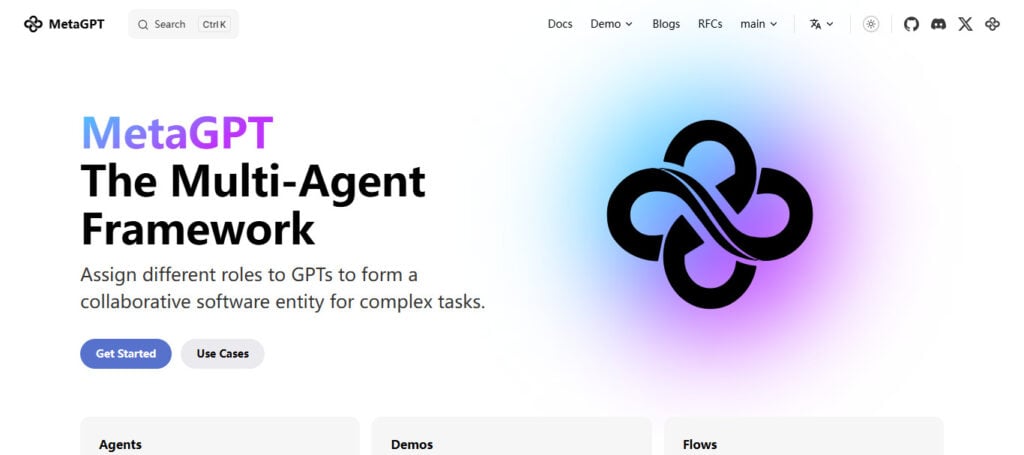
MetaGPT can create plans, documents, and even codes all structured with a defined workflow. Due to its ability to automate the editorial process, MetaGPT ranks among the Best Multi-Agent Frameworks for Content Operations.
Companies are able to automate the content creation and even the collaborative process. MetaGPT can create task matrices and a hierarchy of structured tasks, making it a very powerful tool for companies to improve their internal systems.
MetaGPT Features Pros & Cons
Features
- AI Software Team Simulation
- Role-Based Task Management
- Structure Workflow Generation
- Automated Documentation
- Collaborative AI Planning
Pros
- Good Workflow Organization
- Realistic AI Collaboration
- Good for Project Management
- Planning & Execution Automation
- Good for Enterprise Experimentation
Cons
- Resource Hungry
- Hard to Setup
- Needs a lot of tech skills
- Beginner Support is Lacking
- Slow when Tasks are Large.
5. Camel Agents
Camel Agents aims to create collaborative artificial intelligence utilizing a role-play and communication mechanism among autonomous agents. This artificial intelligence can be integrated to communicate, negotiate job responsibilities, and resolve problems through defined interactions.
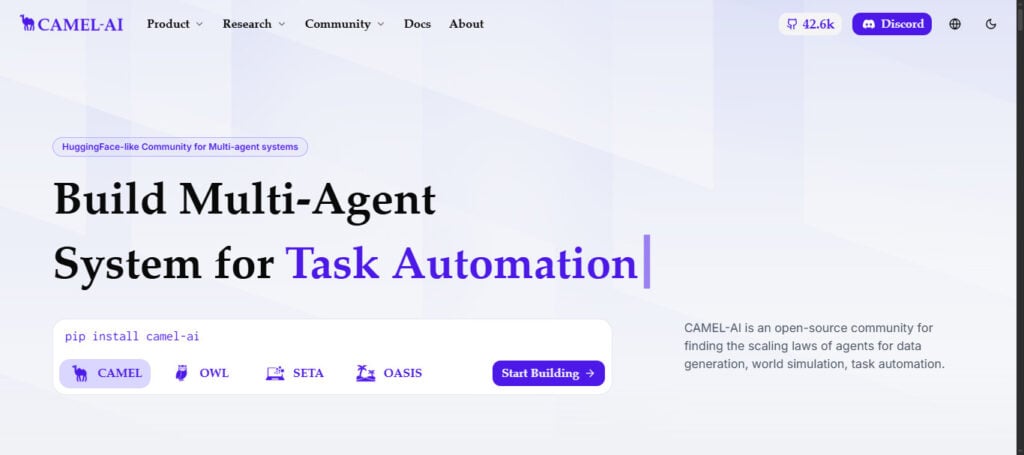
This framework can be integrated into simulation environments, brainstorming systems, and automated intelligent workflows. Developers recognize Camel Agents as one of the Best Multi-Agent Frameworks for Content Operations because of the positive role played by the collaborative AI framework in grouping researchers, editors, marketers, and analysts.
Camel Agents is used in the automation of innovative idea generation, content strategy, and customer engagement. Its conversation architecture enhances operational oversight and promotes efficient coordination within extensive content operations.
Camel Agents Features Pros & Cons
Features
- AI Agents
- Structured Communication
- Collaborative Problem Solving
- Interaction Workflows
- Simulation Communication
Pros
- Good Communication
- Good Workflow Brainstorming
- Good Collaboration
- Flexible
- Good for Research
Cons
- Not good for Enterprise
- Small Community
- Inconsistent
- Needs Good Prompts
- Poor Documentation
6. ChatDev
ChatDev is a multi-agent framework that enables the simulation of a virtual AI team working together to develop software and content. Each AI agent is assigned a specific task to perform, like planning, coding, reviewing, and testing, as well as documentation.
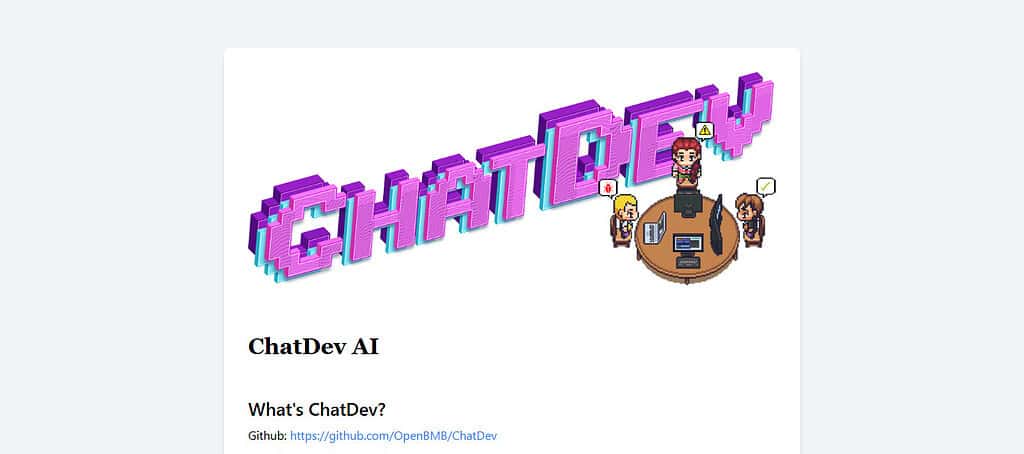
This framework promotes collaborative conversations to improve the efficiency of workflows and the execution of tasks. ChatDev is one of the Best Multi-Agent Frameworks for Content Operations because it enables the structuring of large-scale collaborative work tasks within a production environment.
Organizations use ChatDev for automated content generation, editorial planning, workflow management, and collaborative work for projects. Its communication framework promotes a reduction in operational delays, while ensuring a significant enhancement in the accuracy, scalability, and productivity of AI-based content management systems.
ChatDev Features Pros & Cons
Features
- AI Team
- Automated Workflows
- Role Management
- Automated Communication
- Workflow Automation
Pros
- Good Collaborative Workflows
- Good Development Automation
- Lowers Workload
- Good Execution
Cons
- Lacks Functionality Beyond Development
- Lacks Non-Technical Focus
- Needs Good Resources
- Setup Can Take Time
- Rapid Development State.
7. Voyager Agents
Originally designed to continuously learn and explore in interactive environments, Voyager Agents is an autonomous AI framework that, over time, has become capable of skill acquisition, knowledge retention, and strategy modification. Initially designed for gaming, Voyager is now being evaluated by companies for workflow automation and intelligent task management.
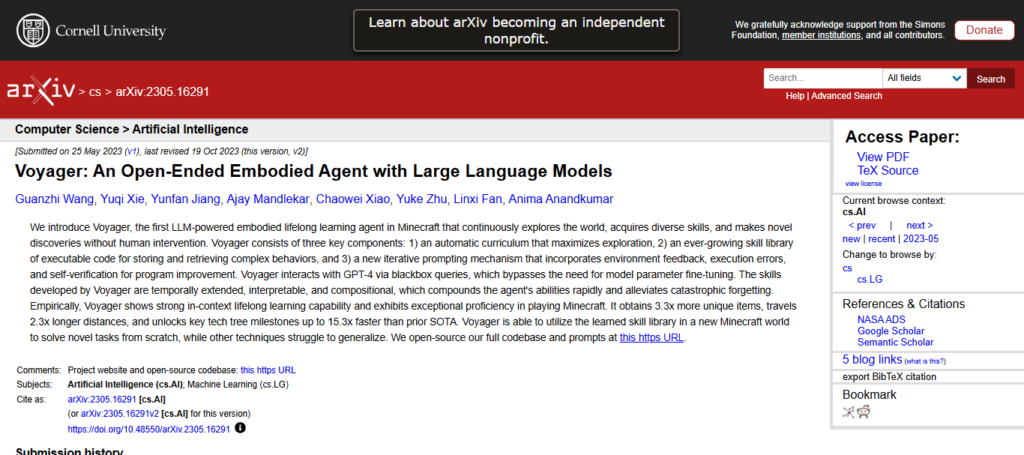
Due to its ability to improve itself and learn adaptively, it is included among the Best Multi-Agent Frameworks for Content Operations. Automated research, AI content creation, and transforming AI workflows are additional use cases for Voyager Agents.
Voyager is especially effective for intricate and changing operations because of its memory-oriented architecture, which allows for the retention of information and continuous learning over the long term.
Voyager Features Pros & Cons
Features
- Auto Learning
- Improvement
- Memory System
- Capability for adaptive exploration.
- AI workflows that evolve through self-improvement.
Pros
- Capability for autonomous learning.
- Ability to facilitate adaptive workflows.
- AI memory with advanced features.
- Memory aids for workflow evolution.
- Enables long-term improvements.
Cons
- Experimental nature.
- Limited use in large enterprises.
- Difficult to implement.
- Requires heavy computational resources.
- Few use cases in production.
8. TaskWeaver
TaskWeaver is a novel automation framework from Microsoft. It offers the ability to combine planning, code execution, and workflow automation in a single platform.
This framework is geared towards enterprise-grade environments that require AI to accurately execute code and workflows in a highly structured manner. TaskWeaver allows multiple agents to efficiently collaborate by code execution, data analysis, and report generation.
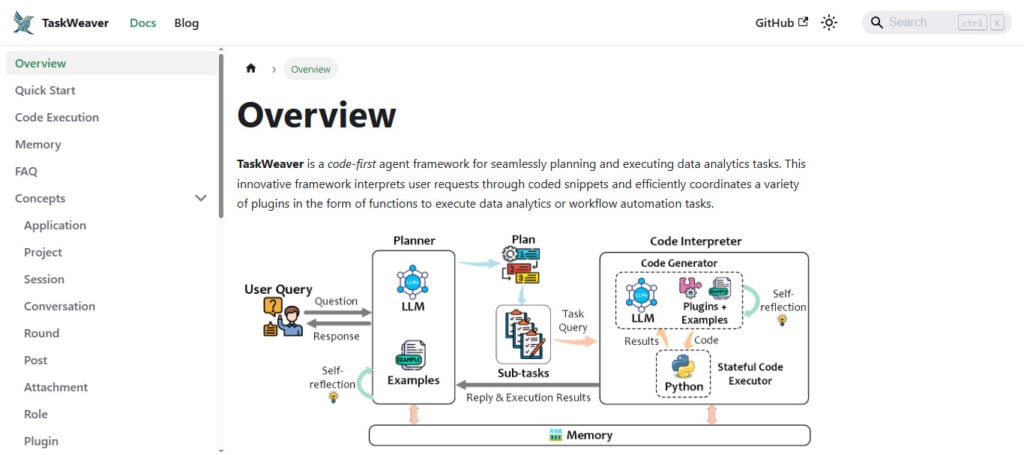
Due to the streamlining of business processes using intelligent automation, TaskWeaver is ranked among the Best Multi-Agent Frameworks for Content Operations.
Organizations employ TaskWeaver to automate research and reporting, content workflows, and data operations. The framework offers an enterprise-focused experience, meaning better management of workflow and scalability.
TaskWeaver Features Pros & Cons
Features
- AI planning and workflow engineering.
- Embedded coded execution.
- Workflow automation in enterprises.
- Coordination of multiple agents.
- Enhanced analytical capabilities.
Pros
- High reliability in enterprises.
- Excellent management of workflows.
- A Microsoft-aided ecosystem.
- Capable of performing complex tasks.
- Great analytical integration.
Cons
- Difficult technical setup.
- Limited access for beginners.
- Small open-source community.
- Complex workflows require knowledge.
- High resource consumption for scaling.
9. AgentVerse
AgentVerse is a multi-agent simulation platform that is easy to customize and scale for enterprise-grade AI use. It offers advanced distributed communication, autonomous decision making, and task-sharing capabilities for workflow automation.
Thus, AgentVerse gives businesses and researchers the option to experiment with AI collaboration models and operational systems. It is recognized among the best multi-agent frameworks for content operations,
as AgentVerse allows businesses to optimize AI collaboration for the content production and research automation as well as for the strategic planning and prioritization. By using AgentVerse to coordinate the specialized agents, businesses may also observe improved operational efficiency.
AgentVerse Features Pros & Cons
Features
- A simulation environment for multiple agents.
- Distributed AI with a coordination framework.
- Autonomous decision-making.
- Workflow systems with various collaborations.
- A framework for constructing agents.
Pros
- A versatile simulation platform.
- Beneficial for AI experiments.
- Facilitates the use of large architectures.
- Supports a high level of customization.
- A great choice for research settings.
Cons
- Limited use outside research.
- Limited user community.
- High level of technical knowledge required.
- Limited examples for enterprises.
- Requires knowledge for configuration.
10. SuperAGI
SuperAGI is the best option for businesses to automate repetitive processes while retaining control over the AI operations. There is a lot of positive feedback for SuperAGI as it ranks among the best multi-agent frameworks for content operations.
SuperAGI is a great option for the automation of marketing, content, customer engagement, and research processes. Businesses looking for an adaptable AI framework use the open-source nature and monitoring dashboard to customize their SuperAGI so they may have direct control while the system runs on the agents.
SuperAGI Features Pros & Cons
Features
- An open-source AI agent.
- Centralized management of agents.
- Workflow with monitoring tools.
- Memory retrieval and task execution.
- Autonomous orchestration of AI.
Pros
- Flexibility through open-source tools.
- Great potential for automation.
- Scalable architecture for AI.
- Fully community-driven.
- High quality for tools like monitoring and management.
Cons
- The ecosystem can be turbulent
- Must have ability to deploy
- Low stability
- Infrastructure costs are high
- Complication in the setup process
Comparison Table of Top Multi-Agent Frameworks
| Framework | Best For | Key Features | Open Source | Ease of Use | Scalability |
|---|---|---|---|---|---|
| LangChain | AI workflow automation | Memory, tool integration, agent orchestration | Yes | Moderate | High |
| AutoGen | Autonomous AI collaboration | Conversational agents, task delegation | Yes | Moderate | High |
| CrewAI | Content operations | Role-based AI teams, workflow automation | Yes | Easy | Medium |
| MetaGPT | Project management | AI team simulation, task planning | Yes | Moderate | High |
| Camel Agents | AI communication systems | Role-playing agents, collaboration workflows | Yes | Moderate | Medium |
| ChatDev | Development workflows | AI virtual teams, workflow coordination | Yes | Moderate | High |
| Voyager | Autonomous learning | Adaptive memory, self-improving AI | Yes | Advanced | Medium |
| TaskWeaver | Enterprise automation | Code execution, workflow orchestration | Yes | Advanced | High |
| AgentVerse | AI simulation environments | Distributed coordination, agent testing | Yes | Moderate | High |
| SuperAGI | AI infrastructure management | Agent monitoring, task automation | Yes | Moderate | High |
Conclusion
In conclusion, AI-powered collaboration systems have made multi-agent platforms fundamental to contemporary businesses and creators. Content production, research, automation, and team coordination are being optimally managed by various new frameworks such as LangChain, CrewAI, AutoGen, and SuperAGI.
These frameworks empower specialized AIs to seamlessly engage with one another to increase efficiency across various tasks. Selecting the Optimal Multi-Agent Frameworks for Content Operations is determined by the company’s goals, how scalable the solution is, and the extent of automation it can provide.
As artificial intelligence is continuously innovating, the aforementioned frameworks will dominate the intelligent content operations and the automation of enterprises of the future.
FAQ
What are multi-agent frameworks in AI?
Multi-agent frameworks are AI systems where multiple intelligent agents collaborate to complete tasks such as research, writing, automation, planning, and workflow management. These agents work together like a virtual team to improve efficiency and productivity.
Why are multi-agent frameworks important for content operations?
The Best Multi-Agent Frameworks for Content Operations help businesses automate repetitive tasks like content writing, SEO research, editing, publishing, and analytics. They reduce manual effort while improving workflow speed and scalability.
Which is the best multi-agent framework for beginners?
CrewAI and LangChain are often considered beginner-friendly because they offer flexible architecture, strong documentation, and easier workflow customization for AI automation projects.
What is the difference between CrewAI and AutoGen?
CrewAI focuses on role-based collaboration between AI agents, while AutoGen emphasizes conversational interactions and autonomous communication among multiple AI agents for complex tasks.
Can multi-agent frameworks improve SEO content production?
Yes, these frameworks can automate keyword research, topic generation, article writing, optimization, editing, and publishing workflows. This makes them highly effective for SEO-focused content operations and digital marketing teams.