



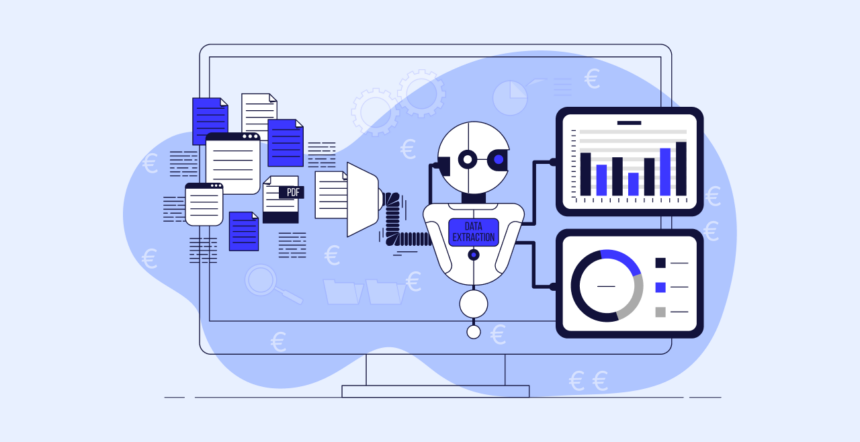
In this piece, I’ll talk about AI-Based Pricing Optimization, a potent tactic that uses AI to assist companies in determining the appropriate rates.
AI makes dynamic and customized pricing possible by examining consumer behavior, market trends, and competition data. In today’s fast-paced market, this strategy not only increases revenue and profit margins but also boosts operational efficiency and competitiveness.
What is AI-Based Pricing Optimization?
The practice of applying sophisticated analytics and artificial intelligence to determine the best prices for goods or services is known as AI-Based Pricing Optimization.
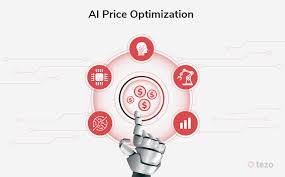
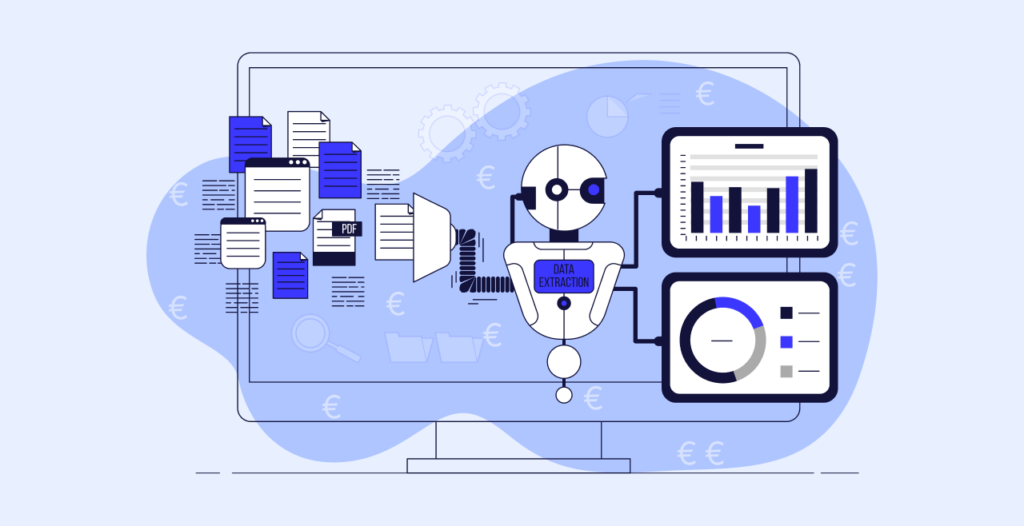
Unlike traditional pricing approaches that rely on static rules or manual computations, AI analyzes massive amounts of data—including consumer behavior, market trends, rival prices, and previous sales—to predict demand and recommend appropriate pricing in real time.
In addition to providing individualized pricing plans that satisfy client expectations, this strategy enables firms to increase revenue, boost profit margins, and react swiftly to shifting market conditions.
AI-Based Pricing Optimization
Maximized Revenue
Pricing for profit optimization is determined by AI.
Real-Time Adjustments
Pricing is altered instantly depending on current market trends.
Personalized Pricing
Different customer demographics are assigned individual prices to enhance conversions.
Competitive Advantage
Competing prices are tracked for market positioning.
Accurate Demand Forecasting
Customer behavior is predicted using analytical forecasting.
Data-Driven Decisions
AI is less guessing based on historical patterns.
Operational Efficiency
Automation of pricing processes eliminates time wastage and mistakes.
How AI-Based Pricing Optimization Works
Data Collection: Pulls in details about sales, customer activity, market behaviors, and competitor pricing.
Demand Forecasting: AI algorithms analyze historical and current trends to predict future demand.
Price Modeling: AI develops models to find the best pricing strategies for revenue and profit maximization.
Dynamic Pricing: Real time changes to pricing based on demand, current stock, and other market factors.
Personalization: Flexible pricing models for different customer types and purchasing activities.
Integration with Business Systems: Pricing decisions automation through integration with ERP, CRM, and e-commerce tools.
Continuous Learning: New information is constantly fed to the AI system to promote precision in the pricing models.
Benefits of AI-Based Pricing Optimization
Increase Revenue and Profit Margins: Optimized pricing captures sales and profitability.
Real-time Market Responsiveness: Pricing adjusts in the moment based on demand, competitors, and trends.
Customer Personalization: Different pricing for different people improves conversion.
Competitive Market Advantage: Pricing in the market is based on competitor pricing.
Forecasting Demand: Customer behavior is predicted and used for pricing.
Operational Efficiency: Less time is used and mistakes are taken out by automating pricing.
Enterprise Level Strategy: Large product catalogs and different markets can be handled effortlessly.
Actionable Business Insights: An analytics set is available for all the business strategies.
Best Practices for Implementing AI Pricing
State Your Objectives
Focus on goals such as revenue, margins, or competition in a market.
High Quality Data
Provide the AI with accurate, clear, and complete data. Your data should consist of sales, customers, and market information.
Start with a Pilot
Before full integration, test AI pricing on a small number of products or services.
Monitor and Measure
Understand the performance by tracking the KPI’s such as sales, conversion, and profit margin.
Refine Algorithms
Adapt and Refresh the AI systems to better match market and customer changes.
Be Transparent
Pricing strategies should be simple to avoid customer distrust or confusion.
Integrate Systems
AI pricing systems should be integrated with ERP, CRM, and e- commerce systems.
Educate Staff
Train staff to understand AI pricing and the insights they can provide.
Challenges and Considerations
Data Quality Issues
Inaccurate data can lead to poor pricing decisions regardless of how well an algorithm is running.
Customer Perception
Rapid and frequent pricing changes can work to frustrate customers.
Integration Complexity
AI tools are notoriously difficult to integrate with other platforms. Merging such tools with existing ERP or CRM systems poses an added challenge.
Ethical Concerns
Algorithms can lead to unfair pricing and discrimination when unsupervised.
High Implementation Costs
Significant system and training costs will need to be addressed when applying new pricing structures.
Dependence on AI Accuracy
The greater the market abstraction of an algorithm, the greater the risk of losing important details that humans can identify through experience and insight.
Regulatory Compliance
Almost all pricing strategies will need a compliance check against domestic laws and regulations to avoid punitive measures.
Continuous Maintenance:
AI systems can gradually lose the ability to optimize pricing in response to changes in the marketplace.
Future of AI in Pricing Optimization
AI in pricing optimization appears to have a more dynamic and intelligent future. Hyper-personalized pricing, which offers each client a price based on their behavior, preferences, and past purchases, will be made possible by advanced AI technologies.
Businesses will be able to react quickly to shifts in demand, competitor activity, and market conditions thanks to real-time analytics.
Businesses will benefit from more intelligent, completely automated pricing methods that optimize profits while improving consumer happiness as AI is more integrated with marketing, sales, and inventory systems. In order to maintain fairness and trust in the online market, ethical and transparent AI pricing procedures will also be a major priority.
Pros & Cons
| Pros | Cons |
|---|---|
| Maximizes revenue and profit margins | Requires high-quality, accurate data |
| Real-time pricing adjustments | Implementation and integration can be complex |
| Personalized pricing for different customer segments | May cause customer perception issues if prices change too frequently |
| Improves competitive advantage | Initial setup and AI tools can be costly |
| Accurate demand forecasting with predictive analytics | Continuous maintenance and updates needed |
| Data-driven decision-making reduces guesswork | Over-reliance on AI may overlook human insights |
| Operational efficiency and automation | Must ensure compliance with regulations and ethical standards |
Conclusion
AI-based pricing optimization is now necessary for smarter growth in today’s cutthroat business environment. Businesses can increase revenue, boost profit margins, and provide clients with individualized pricing by utilizing real-time data, predictive analytics, and dynamic algorithms.
Even though there are obstacles like data quality and ethical issues, successful adoption is ensured by adhering to best practices. Businesses may stay ahead of the competition and achieve long-term, sustainable growth by adopting AI-driven pricing strategies.
FAQ
What is AI-based pricing optimization?
AI-based pricing optimization uses artificial intelligence to set optimal prices by analyzing data like customer behavior, market trends, and competitor pricing.
How does AI improve pricing strategies?
AI predicts demand, recommends dynamic prices, personalizes offers for customers, and adjusts prices in real time to maximize revenue and profitability.
What are the main benefits of AI pricing?
Benefits include increased revenue, real-time responsiveness, personalized pricing, better competitive positioning, accurate demand forecasting, and operational efficiency.
Are there challenges in implementing AI pricing?
Yes. Challenges include data quality issues, integration complexity, ethical concerns, customer perception, regulatory compliance, and ongoing maintenance of AI models.
How can businesses start with AI-based pricing?
Start with clear objectives, collect high-quality data, run a pilot program, monitor results, refine algorithms continuously, and integrate AI with existing systems.