
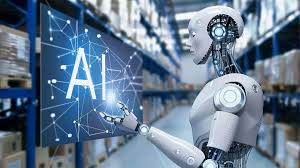


In this article, I will discuss the AI Trends Shaping the Next Decade, such as AI foundation models, generative design, AI-driven robotics, quantum computing synergy, personal AI companions, and the use of AI in the healthcare, cybersecurity, climate, education, and finance.
These trends will redefine industries and daily life, creating a smarter, more connected future for individuals and businesses across the globe.
Why AI Trends Shaping the Next Decade
Accelerating Tech Innovation – AI foundation models and generative AI are enabling the rapid creation, design, and solving of new problems in all industries resulting in the fastest tech innovations we have ever seen.
Industry Transformation – AI-driven robotics and AI in finance, healthcare, and energy are fundamentally changing the way these industries operate, increasing efficiencies and lowering the costs, and introducing new ways to do business.
Human Productivity – The use of personal AI companions and AI-facilitated education shifts focus of humans on creative and strategic thinking. This is because AI will do the repetitive and complicated tasks.
Global Challenge Solutions – AI applications to climate, healthcare diagnosis, and cybersecurity provides life-saving energy efficient solutions to secure cyberspace and to prevent disease.
New Opportunity Creation – The combination of AI and quantum computing, along with predictive analytics will facilitate previously unattainable research and innovations in various fields especially in finance and tech.
Key Point & AI Trends Shaping the Next Decade
| AI Trend | Key Point |
|---|---|
| AI Foundation Models Everywhere | Large-scale AI models are powering multiple industries, enabling advanced language, vision, and decision-making capabilities. |
| Generative AI in Design & Engineering | AI generates designs, prototypes, and simulations, accelerating innovation and reducing human error in engineering processes. |
| AI‑Driven Robotics | Robots equipped with AI can perform complex tasks autonomously, improving manufacturing, logistics, and service industries. |
| AI + Quantum Computing Synergy | Combining AI with quantum computing enhances problem-solving capabilities for optimization, simulations, and data analysis. |
| Personal AI Companions | AI assistants provide personalized support for scheduling, communication, learning, and mental wellness, integrating into daily life. |
| AI in Healthcare Diagnostics | AI analyzes medical data to detect diseases earlier, predict outcomes, and assist clinicians in accurate decision-making. |
| AI‑Powered Cybersecurity | AI identifies threats in real time, predicts attacks, and strengthens digital defense systems across networks and devices. |
| AI in Climate & Energy | AI models optimize energy use, predict climate changes, and support sustainable solutions for a greener future. |
| AI‑Enhanced Education | Personalized learning, automated grading, and intelligent tutoring systems make education more adaptive and effective. |
| AI in Finance & Trading | AI analyzes market trends, automates trading, manages risk, and improves financial decision-making for individuals and institutions. |
1. AI Foundation Models Everywhere
AI foundation models everywhere offer a blend of sophistication, versatility, and practicality. There’s a foundation model available and ready to customize for every applicable situation for every which way a business uses and applies the model.
Models like these have a reliable neural network behind them to help fuel and supercharge a myriad of human-like functionalities and heuristics, from intelligent customer communications to forecasting, and from answering FAQs to analyzing predictive patterns, trends, and behaviors. Foundation models, undoubtedly, rank among the most significant AI trends shaping the next decade.
AI Foundation Models Everywhere Features, Pros & Cons
Features:
- AI models which are large-scale and pre-trained
- Understanding of multiple modalities
- Adaptability for multiple domains
- Fine-tuning for specific use cases
- Ongoing learning and data acquisition
Pros:
- Promotion of uninterrupted, accelerated, cross-sector development
- Time and cost savings for AI deployment
- AI deployment with one model to address a broad range of use cases
- Improvement of decision-making through forecasting and predictive
- New industry and use case adaptability
Cons:
- Countless expenses
- The acquisition of a data set of enormous scale
- Data set biased and unbalanced
- The availability of sensitive data
- Results that are unexplainable and unpredictable in unforeseen situations
2.Generative AI in Design & Engineering
Generative AI in design and engineering refers to the capabilities of AI to mimic the creative process. However, in design, the process is collaborative, and AI works together with humans, with AI offering recommendations, progressive iterations, and performance simulations, among others. Generative AI has a great amount of potential.
In fact, it has been suggested that it may be able to produce solutions that most humans may never arrive at. All of these features and many others will guarantee that generative AI will rank among the most noteworthy AI trends shaping the next decade.
Generative AI in Design & Engineering Features, Pros & Cons
Features
- Design generation automatically
- Simulation and the testing of performance
- Suggestions for the optimization of materials
- Prototyping assistance that is rapid
- Released CAD and design software
Pros
- Accelerated development of products
- Design errors made by humans are reduced
- Solutions that are outside the box
- Costs relative to prototyping in a system are reduced
- The optimization of the process improves overall sustainability
Cons
- There may be a lack of human intuitive understanding of the principles of design
- Patterns in the training data may become the primary fixation
- There is a high expense for the requisite software and computation
- Ownership of the design may be in jeopardy
- A design therein may require a high degree of training to operate effectively
3. AI‑Driven Robotics
Using machine learning, computer vision, and other control systems, AI-Driven Robotics has made it possible to construct fully autonomous robots capable of heavy and complex tasks. Manufacturing, logistics, healthcare, and other hazardous environments are where these robots are employed.

Merging AI and Robotics has resulted in machines that are capable of working in collaboration with humans, of adapting to environmental changes, and of learning from their own experiences. One of the most pioneering AI Trends Shaping the Next Decade, AI-Driven Robotics offers some of the most innovative solutions with the least amount of operational risk and the maximum amount of productivity enhancement.
With the AI-Driven Robotics solutions the warehouse can become automated, surgery can become assisted, and the whole world can change the way it collaborates with machines and the way it operates.
AI‑Driven Robotics Features, Pros & Cons
Features
- The completion of tasks in an autonomous manner
- The cooperation of humans and robots
- The possession of the ability to learn and adapt
- The ability to perceive the environment in real time
- The connection of the robot with industrial IoT
Pros
- The volume of production and the profit is increased
- Learning and Development
- Workplace safety and hazard reduction
- Dangerous and remote area operations
- Improved learning leads to higher performance
- Improvement of precision and repeatability
Cons
- Initial investment is high
- Cost of maintenance and repairs
- Complex programming is needed
- High-environment structure adaptability are limited
- Job displacements are ethically concerning
4. AI + Quantum Computing Synergy
When coupled with AI Algorithms, Quantum Computing becomes the most coveted and reliable resource for addressing complex problems that have never been tackled before. For example, Quantum Computing can accelerate the training of AI models, as well as enable optimization for complex modeling and simulation of molecular interactions, which can aid in drug development and materials science.
This combination results in unprecedented solutions in the fields of logistics, financial markets, cybersecurity, and various fields of scientific research. Among the most significant AI Trends Shaping the Next Decade, this combination of Quantum Computing and AI will achieve significant results for the first time in the fields of computer science as well as in all the fields that have been limited by conventional computer models, leading to a transformation of all traditional industries and scientific research.
AI + Quantum Computing Features, Pros & Cons
Features:
- Simulation of molecular structures
- Training AI models faster
- 2.Ability to solve complex optimization problems
- New uses in advanced cryptography
- Unprecedented scale of big data processing
Pros
- Possibility of solving previously unsolved problems
- Improvement of AI efficiency and accuracy
- Breakthrough potential in materials and health care
- Acceleration of research
- Transformative potential across numerous areas
Cons
- Immature technology
- Added complexity in knowledge and hardwares
- Extremely large computational cost
- Very limited existing commercial uses
- Cybersecurity risks potential
5. Personal AI Companions
AI Companions are designed for assistance in everyday tasks such as learning, communication, and wellness. They can manage calendars, set reminders, aid in decision making, and give tailored suggestions based on behavioral patterns.

More sophisticated Companions can use voice, written word, and emotional intelligence in greater detail and can provide additions such as social engagement and companionship. In the evolving AI Trends Shaping the Next Decade, AI Companions will become commonplace and will focus on employee mental health and organizational skills.
AI companions Features, Pros & Cons
Features:
- Customized messages and schedules
- Automated AI speech
- Support of mental health
- Adaptive learning according to user needs
- Ability to integrate across different devices
Pros
- Increased support of mental health
- Customized recommendations and advice
- Decreased cognitive load on automated manual tasks
- Ability to integrate across different devices
Cons
- Financial cost on advanced integrations
- AI of limited emotional sensitivity
- Continued updating to improve effectiveness in tasks
6. AI in Healthcare Diagnostics
AI Healthcare Diagnostics uses machine learning and computer vision to analyze medical images and patient histories as well as genetic information for early and precise detection of illnesses. AI can aid clinicians in predicting results, suggesting treatment options, and tracking patient improvement. These methods can lead to quicker diagnoses, less mistakes, and better use of clinical and hospital resources.

Healthcare diagnostics driven by AI is one of the most important AI Trends Shaping the Next Decade and is changing the medical field by providing individualized treatment options and better management of large-scale, complex health issues by delivering intelligent diagnostics to a comparable poverty level across the globe.
AI in Healthcare Diagnostics Features, Pros & Cons
Features:
- AI-assisted health imaging
- Deterministic analytics quality of exposed problems
- Interpretation of genomic data
- Continuous monitoring of patients
- Assistance in clinical decisions
Pros
- Identifying health issues prematurely
- Enhancing accuracy of diagnoses
- Encouraging customized therapeutic approaches
- Providing support through rapid examination and improved workflow
- Creating appropriate distribution of resources in healthcare facilities
Cons
- Potential loss of patients’ data confidentiality and compliance with HIPAA
- Considerable expenses to implement initiatives
- Potential reliance on clinical professionals
- Potential imbalances resulting from algorithmic constructs
- Implementation of current medical systems is necessary
7. AI‑Powered Cybersecurity
Cybersecurity powered by AI employs real-time threat recognition, attack prevention, and data protection using ml and predictive analytics. These AI systems respond autonomously to breaches, and detect anomalies.

Additionally, AI systems protect the data and devices at risk by foreseeing and anticipating developing cyber dangers. From an operational perspective, AI technology lowers the threat-detecting burden on the humans. AI cybersecurity systems at this moment are critical to maintaining data safety and integrity while protecting the privacy of all.
The strengthening of developing cyber threat protection will also protect critical industries and business. Additionally, AI will protect individuals and businesses from growing cyber threats globally. As a result of the rapid growth in the digital era, AI will be critical for handling and preserving data safety and privacy.
AI-Driven Cybersecurity Features, Pros & Cons
Features
- Identifying and anticipating risks
- Continuous surveillance of networks
- Breaches are met with instantaneous automation
- ML devises tools for anomaly identification
- Threats are met with gear that is constantly updated
Pros
- Limits effort to combat threats on security measures
- Improves speed of identifying threats versus traditional methods
- Averts damages from data leaks and fraudulent activity
- Estimation of evolved threat patterns
- Improves overall system reliability
Cons
- Potential to generate false threats or none at all
- May remain undetected during deliberate high-level threats
- Considerable expenses necessary during implementation
- May require personnel due to increased activity of AI
- Concerns for citizens’ rights during surveillance
8. AI in Climate & Energy
AI in Climate & Energy uses predictive modeling, optimization, and data analysis to tackle climate change, resource management, and the advancement of renewable energies. AI helps in weather prediction, energy distribution optimization, and emission monitoring as well as the promotion of sustainable practices in industry and city planning.

These applications help cut down waste and fuel efficiency, along with supporting the formulation of policies aimed at protecting the environment.
AI applications in climate and energy management will help ensure a sustainable world where industrial development is in harmony with the environment and the world will be able to address the climate crisis. This makes AI in Climate and Energy one of the top AI Trends Shaping the Next Decade.
AI in Climate and Energy Features, Pros & Cons
Features
- Responsible management of energy utilization
- Responsible forecasting and modeling of climate
- Integration of renewable resources
- Reduction and monitoring of emissions
- Management of smart grids
Pros
- Sources for energy waste and carbon emissions are improved
- Enhances sustainable development
- Energy usage is maximized in business sectors
- Provides data on policies to improve
- Sources for renewable resources are improved
Cons
- Data sources underestimated
- Increased investment for detailed modeling
- Sources for increased reliance on predictive models
- High computational power required for large scale analysis
9. AI‑Enhanced Education
AI-Enhanced Education tailors learning by personalizing material, speed, and methodologies to suit students’ individual needs. Intelligent tutoring, graded systems, and AI analytics increase engagement, measure growth, and help educators with insights. AI also streamlines learning through adaptive simulations and virtual classrooms.

AI will close access gaps, improve learning outcomes, and encourage lifelong learning, empowering educators and students with the ability to build intelligent, inclusive, and adaptive educational systems. This is part of the global transformative AI Trends Shaping the Next Decade.
AI-Enhanced Education Features, Pros & Cons
Features:
- Automated assessments and grading
- Virtual and immersive learning experiences
- Intelligent tutoring systems
- Predictive analytics for student performance
- Tailored education pathways
Pros
- Makes learning from anywhere possible
- Reduces teacher workload
- Provides data driven insight
- Tailors education to individual needs
- Increases engagement and learning outcomes
Cons
- High cost for advanced AI tools
- May reduce human interaction in learning
- Digital divide can be widened
- Ethics involving student data is a concern
- Reliance on sufficient and accurate data input
10. AI in Finance & Trading
AI supports Finance & Trading by using new algorithms to analyze markets, understand and manage risks, automate trades, and provide insights on future possibilities. It also detects patterns, enhances and optimizes strategy, forecasts future trends, and prevents fraud.

This technology increases performance and reduces human error on both sides, financial institutions and individual investors.
One of the most prominent trends in technology is the application of Artificial Intelligence in Finance, allowing the reengineering of capital markets, providing democratized access to advanced trading technology, and innovative fintech. AI in Finance helps deliver intelligent, rapid, and secure financial services in the world of big data.
AI in Finance & Trading Features, Pros & Cons
Features
- Predictive market analytics
- Automated Trading Algorithm
- Assessment and Management of Risks
- Prevention and Detection of Fraud
- Personalized Finance Recommendations
Pros
- Enhances investment decision making
- Increases efficiency in trading activity
- Provides real-time directions for financial strategies
- Provides and enhances control and efficiency
- Quickly detects fraudulent activities
Cons
- Cost of implementation is high
- May be counterproductive
- Requires a high level of control to prevent volatility in the market
- High level of errancy and risk can be encountered in the absence of effective and accurate data input
- Lack of proper data input can be a cause of inefficiency
Conclusion
In closing, we can say that the AI Trends Shaping the Next Decade will reshape industries, impact daily living, and change the systems of the world in ways we can not imagine.
Impactful AI models will allow innovation across all industries, and in addition, generative AI will speed up the designing process, AI-driven robotics will shift automations, and quantum synergy will redefine computing. Technology will allow for a more interlaced future. A new level of efficiency, personalization, and insight will be provided for all.
AI, and all the developments that can be built using it, will transform the way we will function as humans. Technology, as we all know, has the capability of changing the way we live, and thus, in the years to come, we will certainly have a better and a smarter world to live in.
FAQ
What are the key AI trends shaping the next decade?
The major AI trends include AI foundation models, generative AI in design, AI-driven robotics, AI + quantum computing synergy, personal AI companions, healthcare diagnostics, AI-powered cybersecurity, climate and energy applications, AI-enhanced education, and AI in finance and trading.
How will AI foundation models impact industries?
AI foundation models provide versatile, large-scale intelligence that powers applications across sectors, improving decision-making, automation, and innovation in healthcare, finance, tech, and more.
What role will generative AI play in design and engineering?
Generative AI accelerates innovation by creating optimized designs, simulations, and prototypes, reducing errors, saving costs, and enabling solutions beyond human imagination.
How is AI transforming robotics?
AI-driven robotics enables machines to perform complex tasks autonomously, collaborate with humans safely, and adapt to dynamic environments, revolutionizing manufacturing, logistics, and service industries.